
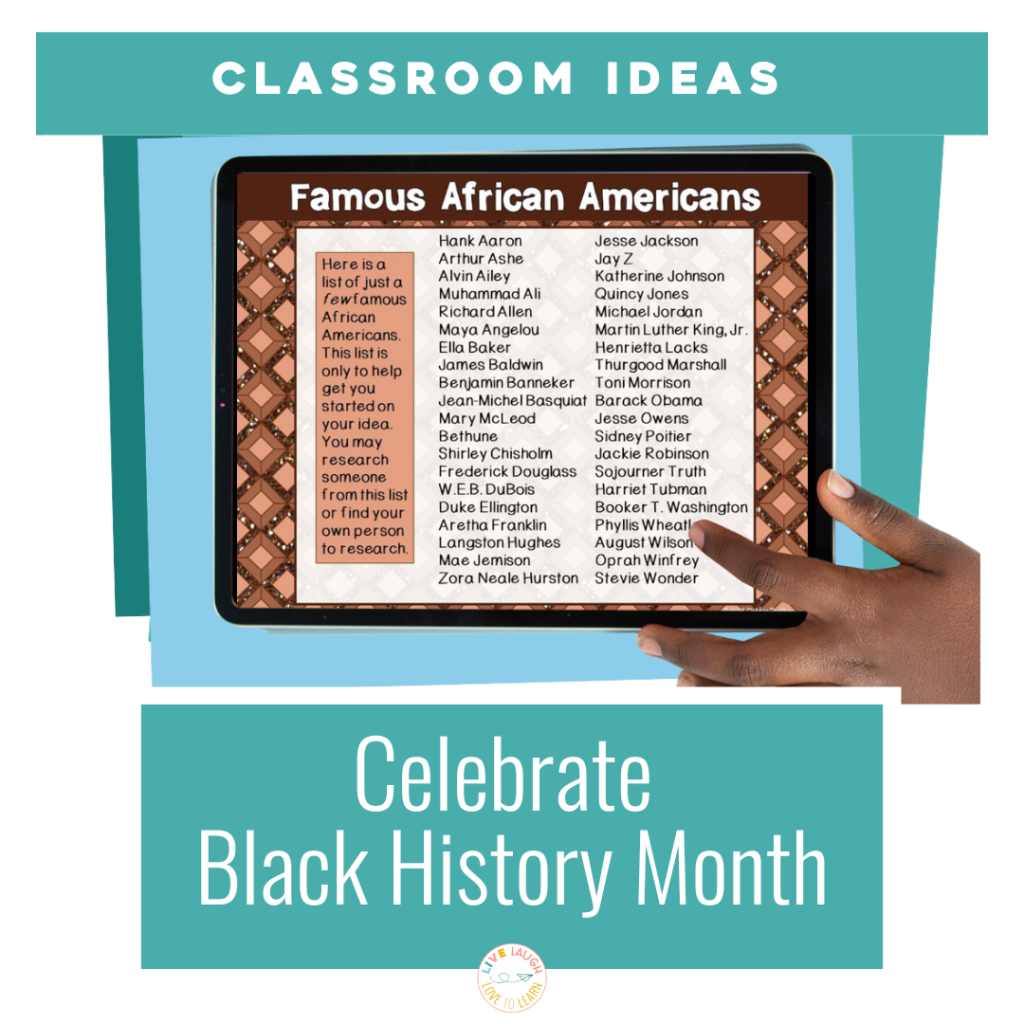
The influences, innovations, struggles, and successes of African Americans have shaped our history and culture in powerful ways. These stories open the door to meaningful conversations about courage, creativity, perseverance, and justice—conversations that belong in our classrooms all year long.
That said, Black History Month in February gives us a dedicated opportunity to pause, reflect, and celebrate these contributions with intention.
Table of Contents
Here are three meaningful and student-centered ways to recognize and celebrate Black History Month in your classroom.
Tip #1: Use Read-Alouds to Build Knowledge and Empathy
I schedule read-aloud time with my students every day, and during February, I’m intentional about choosing books that highlight influential Black Americans—past and present.
Picture books and narrative nonfiction are especially powerful because they:
- Humanize historical figures
- Spark curiosity and questions
- Create natural entry points for discussion
Some of my favorite classroom read-alouds for Black History Month include:
- Mae Among the Stars
- Henry’s Freedom Box
- Little Leaders: Bold Women in Black History
- Young, Gifted, and Black: Meet 52 Black Heroes from Past and Present
- Preaching to the Chickens: The Story of Young John Lewis
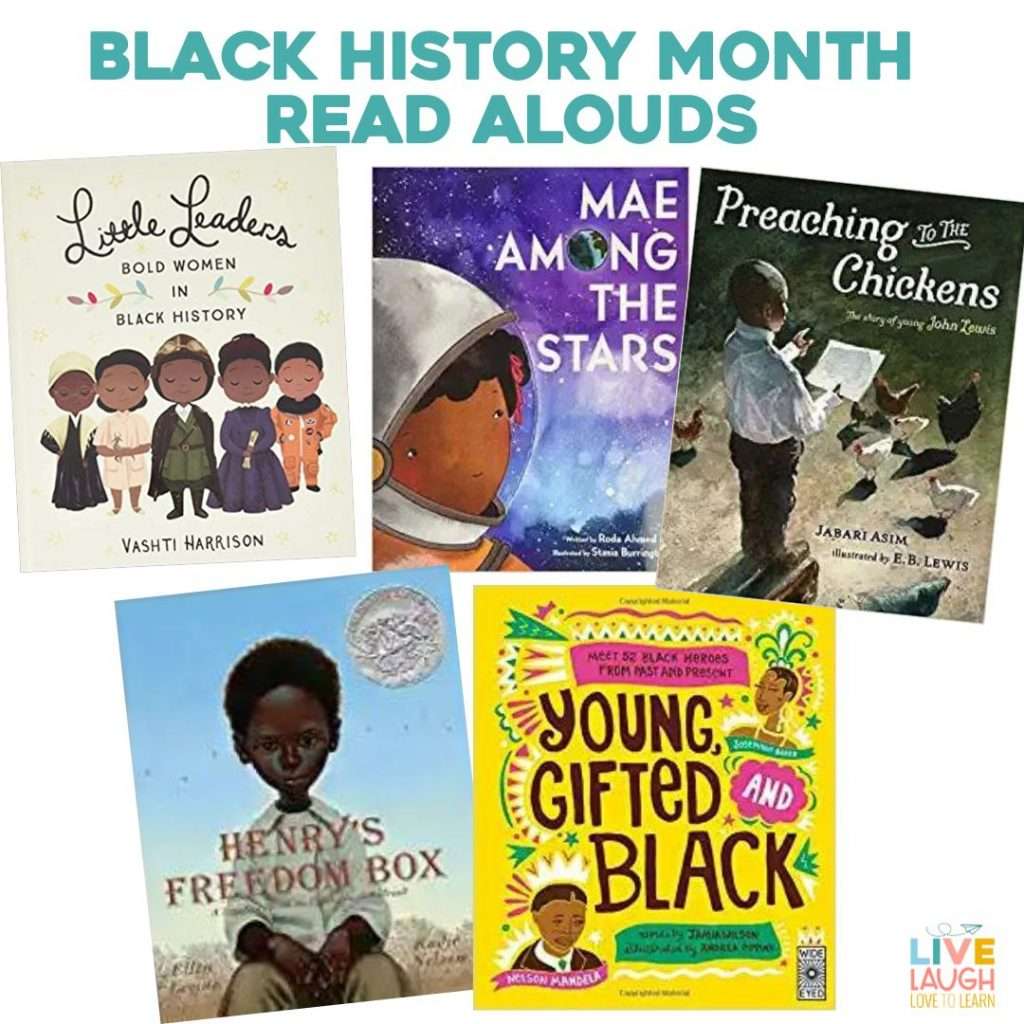
If you don’t have access to these books, YouTube read-alouds are a great option. Many educators and libraries share high-quality read-aloud videos that still allow students to engage with the text and illustrations.
I also make a point to borrow as many titles as possible from our school media center so students have access to these stories beyond February. Representation and inclusion shouldn’t be seasonal.
Tip #2: Bring History to Life with Videos and Music
Videos add a powerful visual and auditory layer that helps students connect more deeply with historical figures and events.
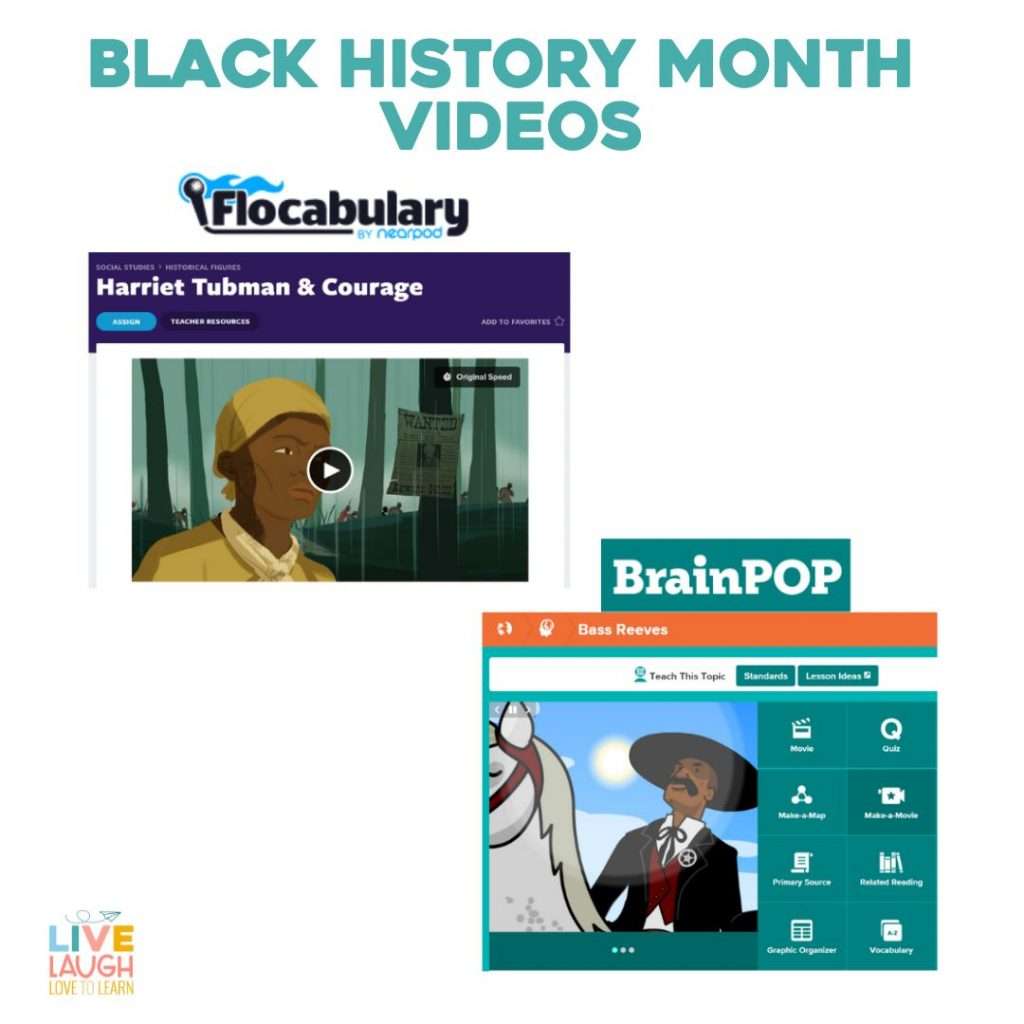
If your school has access, Flocabulary is one of my favorite tools. Their video “Harriet Tubman & Courage” is incredibly moving and always leads to thoughtful class discussions.
Another great resource is BrainPOP. One standout video introduces students to Bass Reeves, one of the first U.S. Marshals in Indian Territory, someone many students (and teachers!) haven’t learned about before.
When studying African American musicians, I also love sharing short video clips so students can see and hear the talent for themselves. Artists like Ella Fitzgerald, Ray Charles, and Stevie Wonder make history feel alive in just a few minutes.
Tip #3: Empower Students with a Choice-Based Research Project
One of my favorite classroom activities, across any subject, is a research project. And for Black History Month, it’s especially meaningful when students have choice.
Why student choice matters
When students choose the person they want to research:
- Engagement increases
- Ownership improves
- Final work is more thoughtful and personal
Skills students practice
A Black History Month research project naturally builds:
- Research and note-taking skills
- Evaluating sources
- Paraphrasing and summarizing
- Time management
- Written and verbal communication
I support my students with:
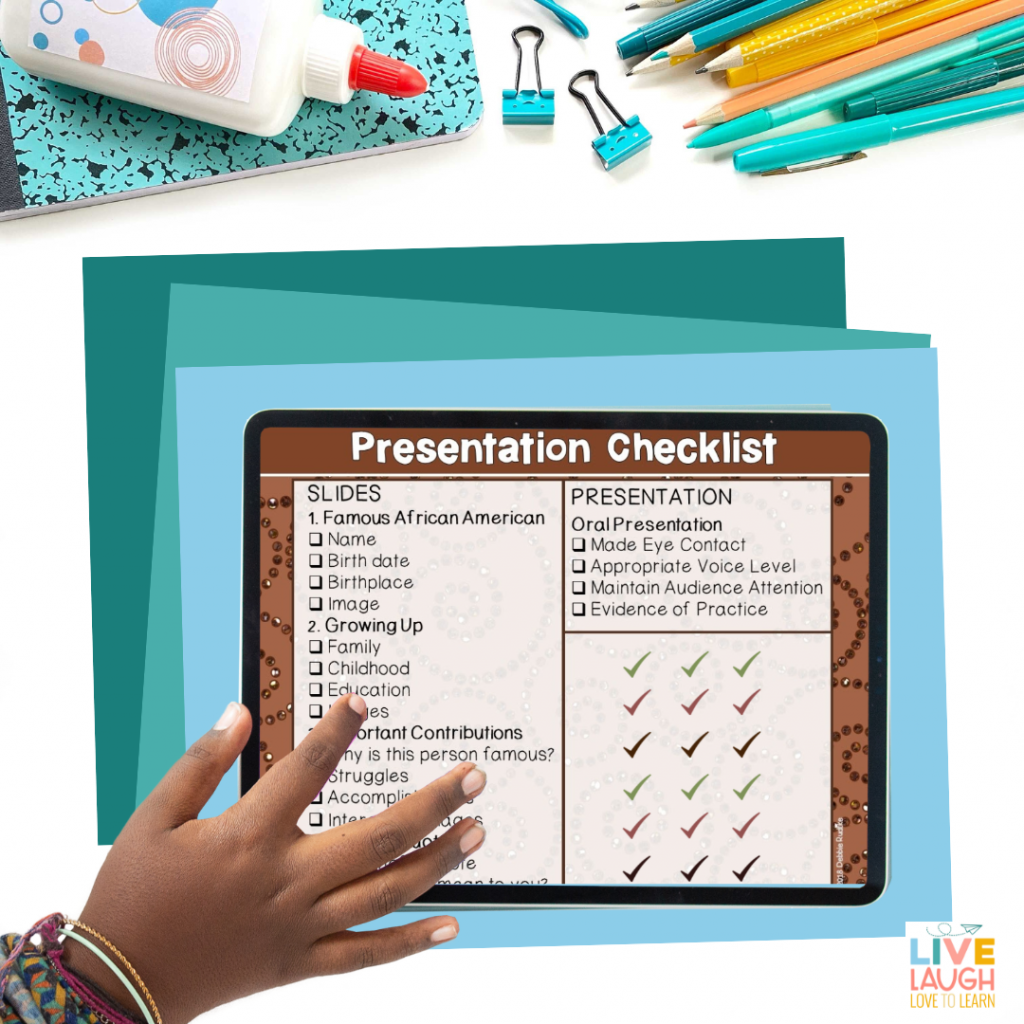
- A presentation checklist
- A clear rubric
- A Google Slides™ template so they can focus on learning, not formatting
Students organize their information, add visuals, and share their presentations with the class, which also gives them valuable practice with public speaking.
Research projects consistently become a student favorite, especially when they feel supported and proud of their final work.
Black History Month and Beyond
Teaching Black history is important and should never be limited to one month. February simply gives us a dedicated time to celebrate the extraordinary contributions, innovations, and resilience of African Americans while reinforcing that these stories belong in our curriculum all year long.
Free Resource for Teachers 🎁
To help you celebrate Black History Month with your students, I created a FREE printable:
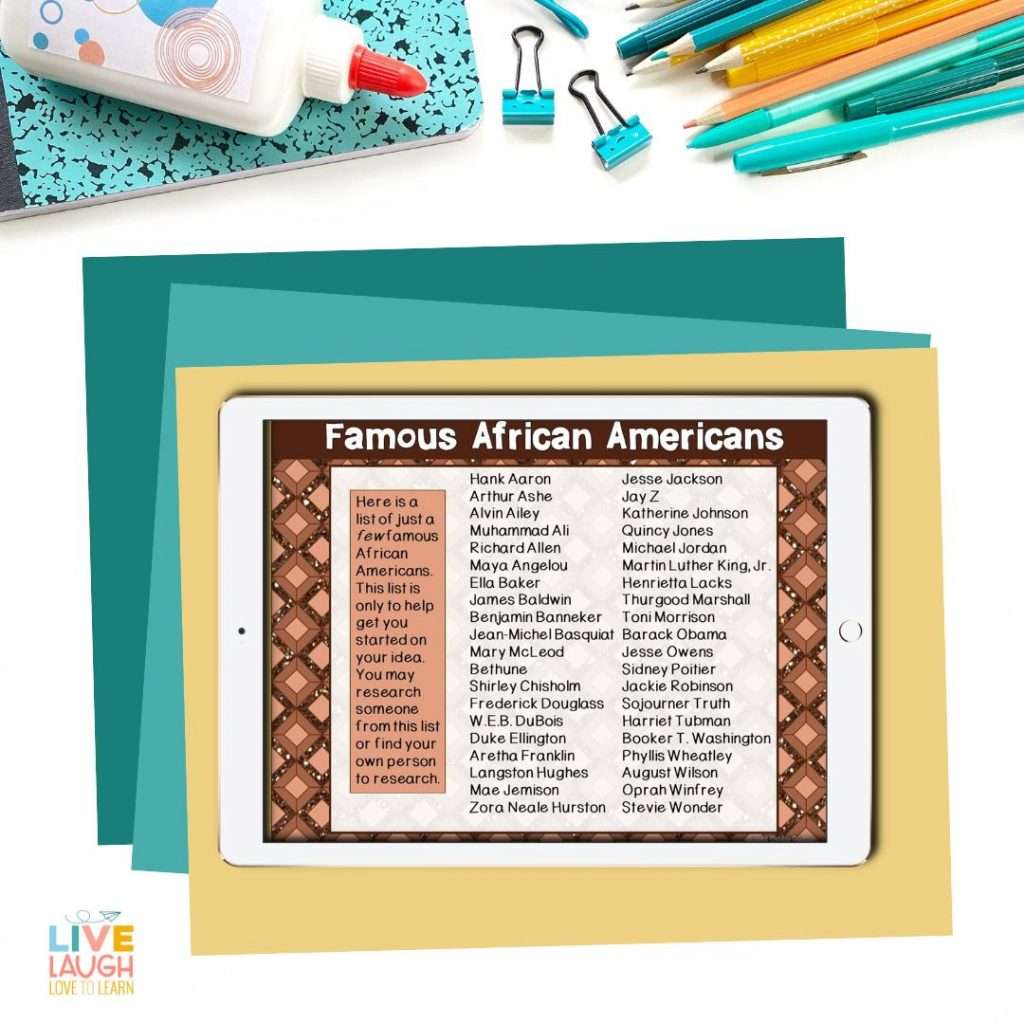
50 Famous African Americans List + Research Note-Taking Guide
This resource helps students:
- Choose an influential person
- Organize research
- Practice key note-taking skills
I’d love to hear from you!
How do you recognize and celebrate Black History Month in your classroom?
Drop your favorite activity in the comments below 💛

You may also be interested in:
3 Tips to Celebrate Women’s History Month
4 Meaningful Earth Day Activities