
You know that moment when students are working in groups and things start to unravel?
Someone’s talking over everyone else. Someone else isn’t speaking at all.
Another student just sighs and gives up, quietly doing all the work.
These moments happen not because our students don’t care – but because many haven’t yet learned how to communicate clearly, respectfully, and collaboratively.
And like most things in upper elementary, communication skills need to be taught – intentionally, gently, and with plenty of practice.
Let’s talk about how to build communication skills in your 4th and 5th graders… without adding stress to your already full day.
Helping students communicate effectively starts with self-awareness. This post on emotional intelligence breaks down the core skills students need before they can speak and listen with empathy.
Table of Contents
Why Communication Skills Matter in 4th and 5th Grades
By the time students reach upper elementary, social dynamics are becoming more complex.
Friendships matter deeply, group projects are more frequent, and students are expected to explain their thinking more often – both verbally and in writing.
When students learn how to communicate effectively, they:
- Listen to others with empathy
- Speak clearly and confidently
- Navigate disagreements more calmly
- Work better in groups
- Advocate for their needs respectfully
These aren’t just school skills – they’re life skills.
What Effective Communication Looks Like for Upper Elementary Students
Teaching communication doesn’t mean giving a lecture on “how to talk.”
Instead, it looks like:
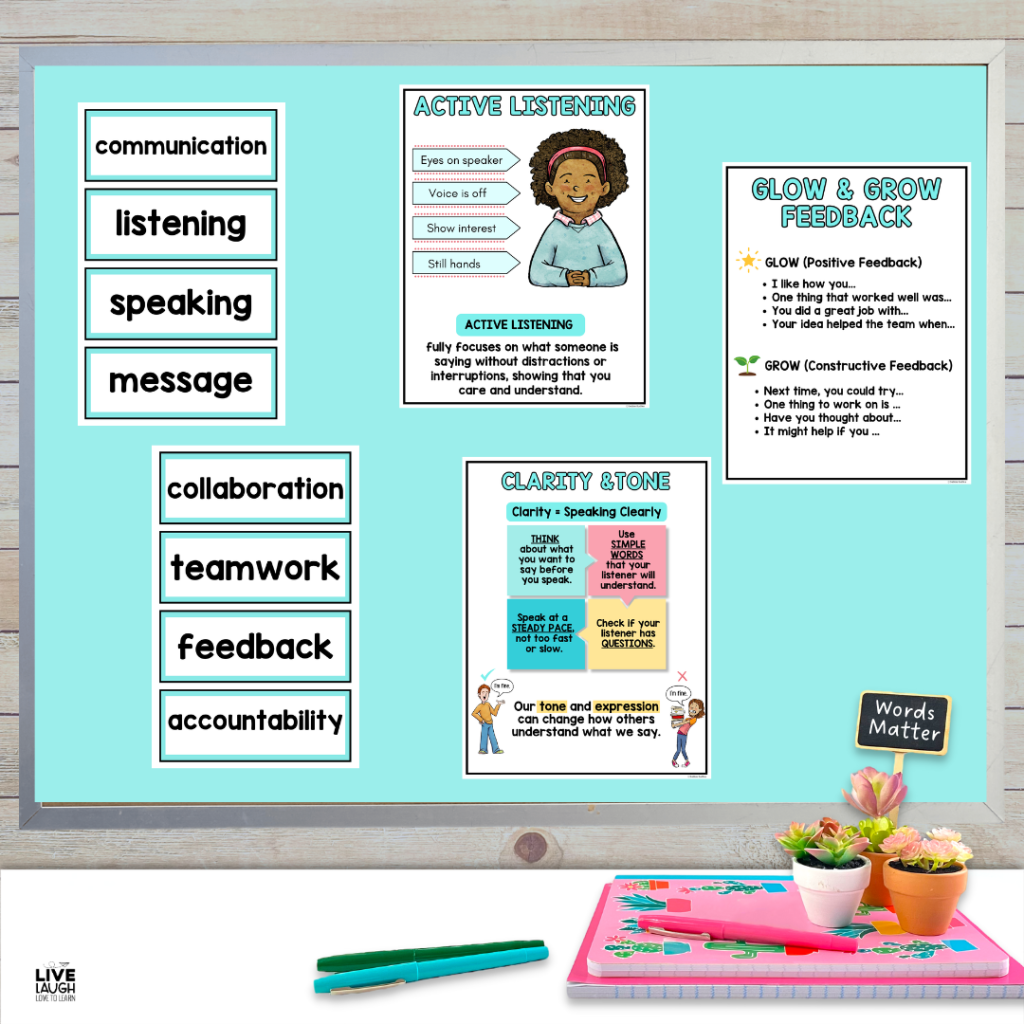
- Modeling active listening during morning meetings
- Encouraging respectful turn-taking in discussions
- Helping students understand how body language affects messages
- Giving students sentence starters to express themselves with clarity
- Creating a safe space where feedback is part of growth
And the best part? These small moments build on each other, day by day.
Easy Strategies to Strengthen Communication in Your Classroom
Activities to build communication skills in 4th and 5th grades…
Here are some simple, powerful ways to integrate communication practice into your everyday teaching:
1. Practice Active Listening with Partner Shares
After a read-aloud or a journal prompt, have students pair up to share responses.
Challenge them to listen first – then paraphrase what their partner said before adding their own thoughts.
💡 Try this prompt: “Can you repeat what your partner said using different words before you respond?”
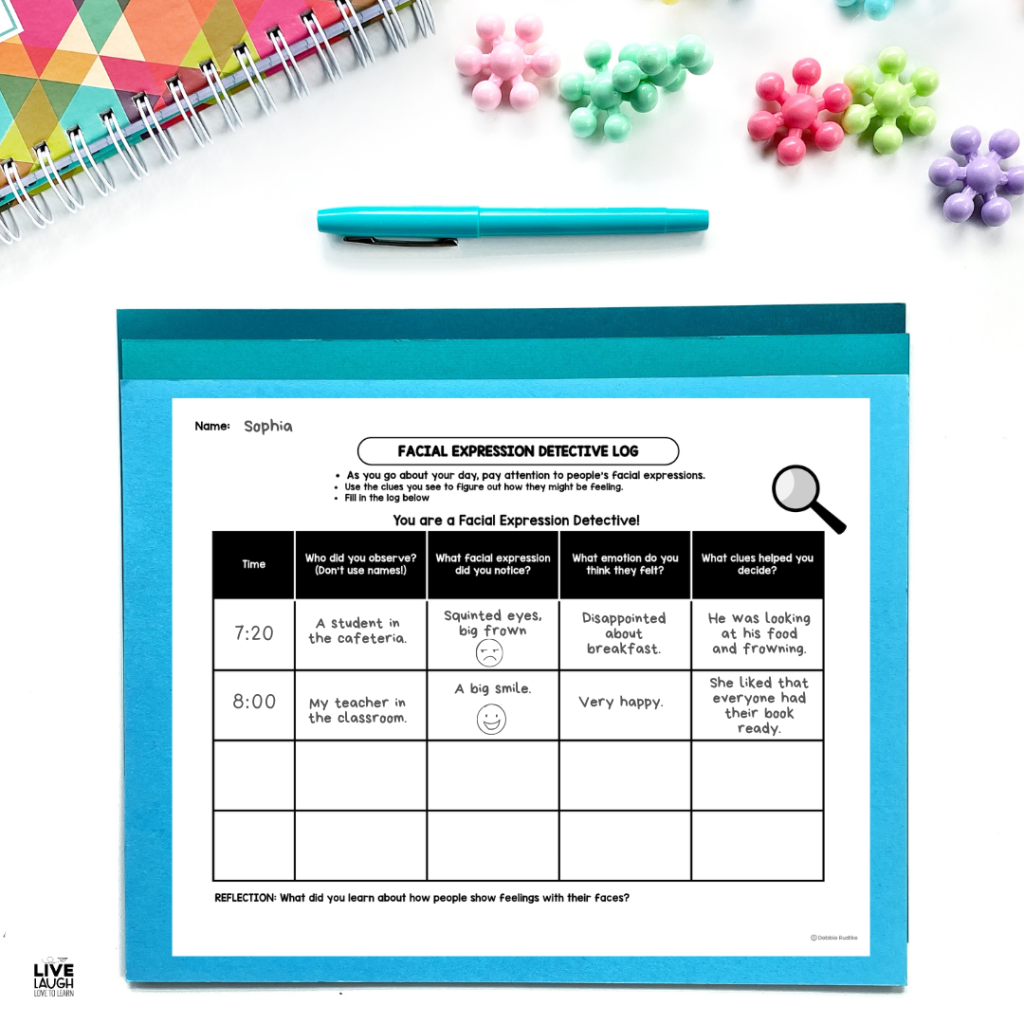
2. Use Role-Play to Teach Tone and Expression
Tone can completely change the meaning of a message.
Try short role-play scenarios where students say the same sentence in different tones—excited, annoyed, confused, etc.
Then discuss:
- How did the tone change the meaning?
- How might the listener feel in each case?
This quick activity is always a hit and helps students notice how they speak.
3. Decode Body Language Together
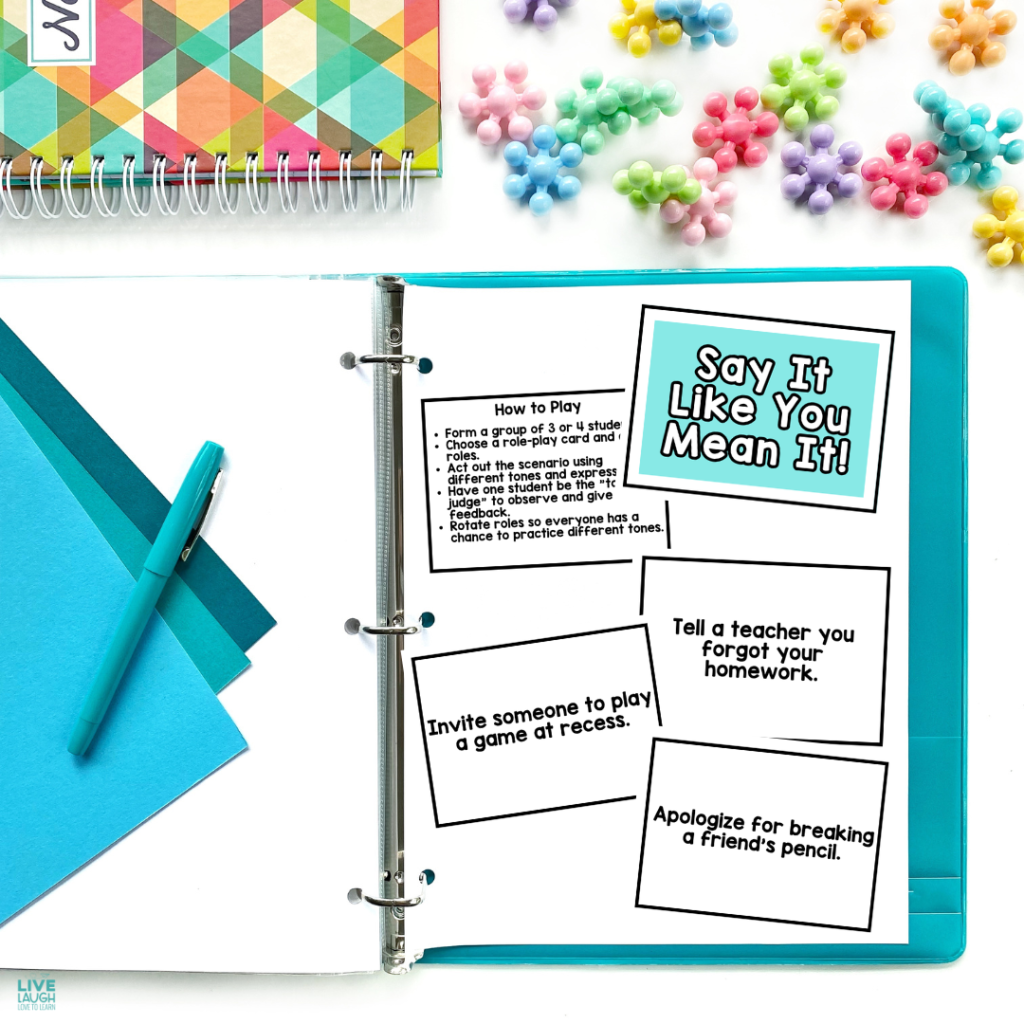
Put on your detective hats! Show students photos (or act out scenarios) with different facial expressions and postures.
💡Ask: “What message is this person sending – even without words?”
This builds awareness of non-verbal communication and supports social cue recognition.
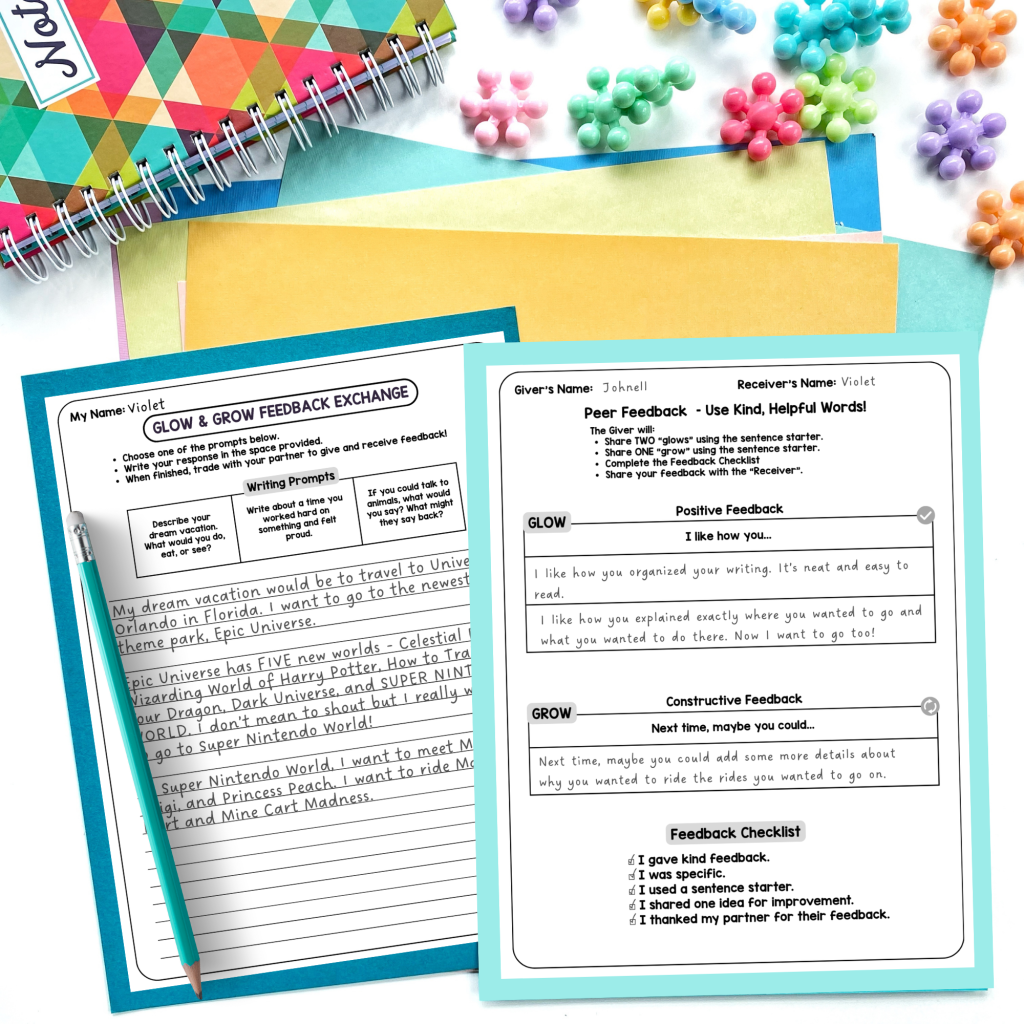
4. Teach Feedback as a “Glow and Grow” Routine
Giving and receiving feedback can be tricky. Help students shift from criticism to connection by introducing the “Glow & Grow” strategy.
Have students:
- Share one thing they liked (glow)
- Offer one suggestion (grow)
Practice with writing, presentations, or even behavior reflections.
Want a free activity to practice respectful feedback with your students?
Grab my Glow & Grow Feedback Exchange printable! It’s a simple, engaging way to help students give kind, helpful peer feedback – and it’s perfect for SEL, group work, or classroom reflections.
👉 Click here to get this free activity delivered to your inbox!
Want All These Lessons Planned for You?
If you love the idea of teaching communication skills but feel overwhelmed trying to fit it all in – I’ve got something that will make your life easier.
👉 Click here to check out my 4-Week Communication SEL Unit for Grades 4–5
It’s packed with:
- 20 step-by-step mini-lessons
- Hands-on games, journals, and role-play
- Anchor charts, vocabulary, and assessments
- Group work activities and read-aloud suggestions
You can teach one mini-lesson a day in about 20-30 minutes… no prep required.
Whether you’re using it during your SEL block, morning meeting, or small group time, this unit helps students become better listeners, speakers, and teammates.
Final Thoughts: Communication is a Skill – Not a Given
It’s easy to assume kids know how to communicate just because they talk a lot.
But true communication – listening, expressing ideas clearly, working together – takes practice. And when we take time to teach it, even in small doses, the impact is powerful.
You’re already creating a classroom where students feel heard.
These strategies (and this unit, if you need it) just help you build on that foundation.
Want a free activity to help your students practice communication? Grab it here!
Thanks for all you do to help your students grow – not just as learners, but as people.
I hope this free feedback activity brings more clarity, kindness, and connection into your classroom.
Keep being amazing,
