
The end of the school year is supposed to feel exciting. And for most kids, it does, but underneath all that energy is something a little more complicated.
Anxiety about leaving a classroom they’ve felt safe in. Sadness about saying goodbye to friends. Worry about what’s next. Big feelings that elementary students often don’t have the words, or the tools, to process on their own and navigate those end of year emotions.
As teachers, the last few weeks of school are a unique opportunity. You can help students name what they’re feeling, celebrate how far they’ve come, and leave with the emotional skills to carry them into summer and beyond.
Here’s how to make that happen, with intention, without adding more to your plate.
Why the End of Year Is an Emotionally Complex Time for Kids
It’s easy to assume that kids are just excited for summer. And they are. But the end of the school year is also a genuine transition, and transitions, even positive ones, can be hard.
For elementary students, the classroom is one of the most consistent and structured environments in their lives. Their teacher knows them. Their routines are familiar. Their friendships are established. All of that is about to change.
Research in social-emotional learning tells us that transitions are one of the most common triggers for emotional dysregulation in children. When kids don’t have strategies to manage those big feelings, that energy comes out sideways, as silliness, defiance, tears, or withdrawal.
The good news? A few intentional SEL moments in the final weeks of school can make a real difference. Not just for the last day, but for how students carry themselves into the summer and the next school year.
1. Name the Feelings First
Before you can help students manage end-of-year emotions, they need to be able to identify them.
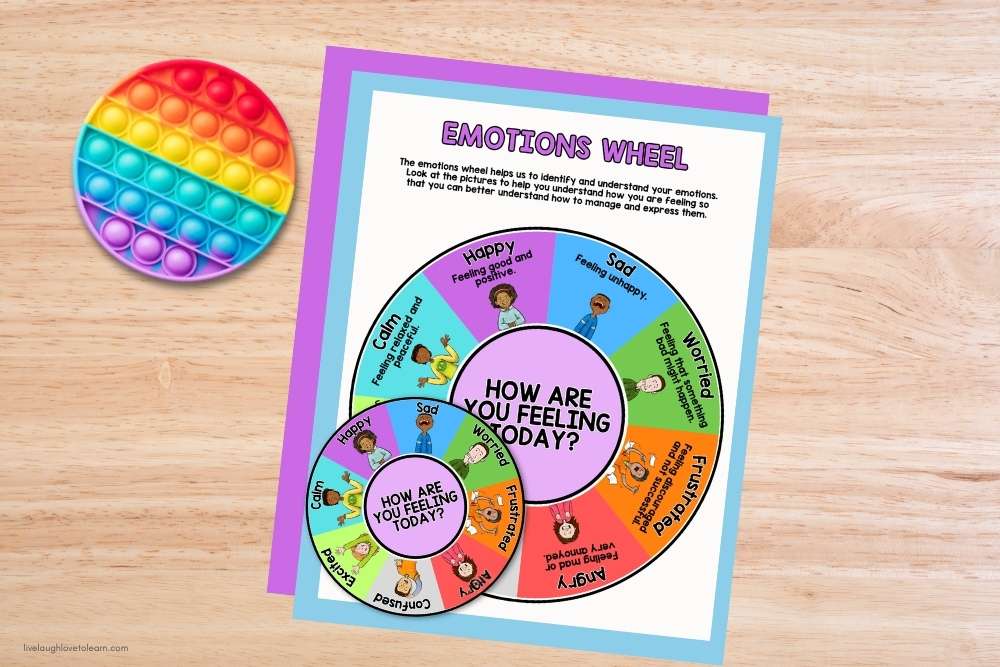
This is where an Emotions Wheel is genuinely useful. Rather than asking “how are you feeling?” and getting “fine” or “I don’t know,” an emotions wheel gives students a visual reference point. They can point to what they see, find the word that fits, and start to build the vocabulary to talk about what’s happening inside.
In the last few weeks of school, try adding a quick emotions check-in to your morning meeting. Ask students to identify one feeling about the school year ending, something they’re excited about, and something they’ll miss. Even two minutes of this daily builds emotional awareness and gives you a window into how your students are really doing.
Already use an emotions wheel in your classroom? My Emotions Wheel Freebie is a great starting point if you don’t have one yet, grab it free!
2. Give Kids Tools for the Big Feelings That Come Up
End-of-year energy is real. So is end-of-year anxiety. And when students hit a moment of overwhelm, whether it’s a goodbye that felt too real or a transition they weren’t ready for, they need strategies they can actually use in the moment.
This is exactly what a Calm Down Kit is designed for.
A Calm Down Kit is a collection of simple, sensory tools and strategy cards that help students regulate their emotions independently. Instead of waiting for a meltdown to happen and then reacting, you’re giving students the tools to recognize when they’re escalating and do something about it before it gets bigger.
In the final weeks of school, a Calm Down Kit serves double duty:
- It gives students a concrete strategy when end-of-year big feelings surface
- It becomes something students can replicate at home over the summer, a bridge between the regulated environment of your classroom and the less structured weeks ahead
What to include in an end-of-year Calm Down Kit:
- A feelings check-in card
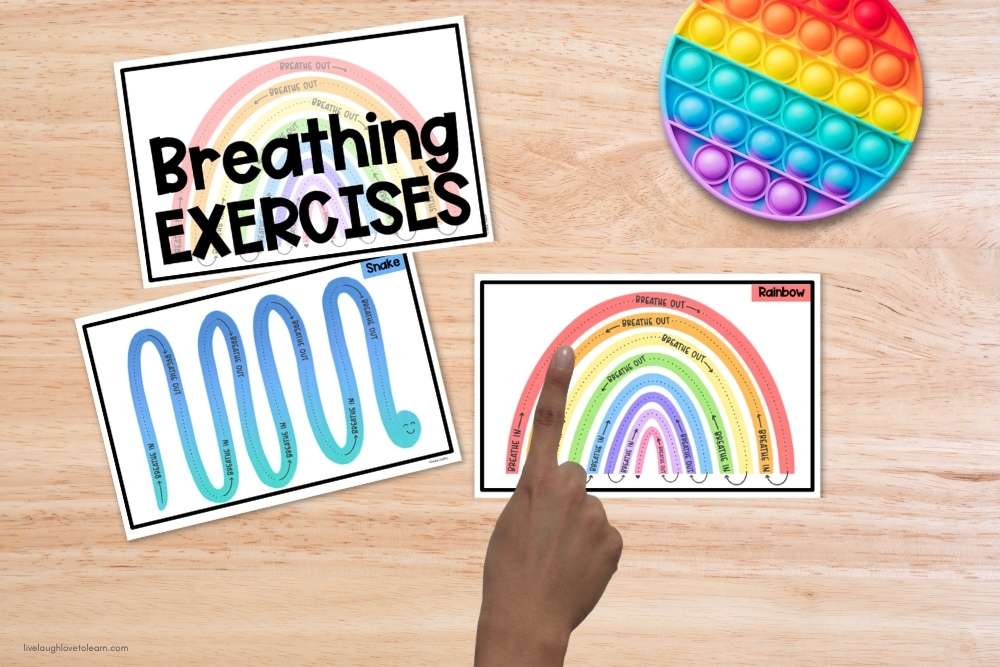
- Breathing strategy cards (rainbow breathing, star breathing)
- A sensory item (stress ball, stretchy band, fidget)
- A “what can I do?” strategies
- A positive affirmation cards
My Calm Down Corner Kit includes everything you need, printable strategy cards, self-reflection pages and instructions for assembling the kit with your class. It’s designed for grades 3–5 and takes about 20 minutes to introduce.
3. Create Meaningful Classroom Closure
The last week of school isn’t just about cleaning out desks and returning library books. It’s one of the most powerful opportunities you have all year to help students reflect, connect, and close with intention.
Here are a few simple classroom closure activities with a built-in SEL focus:
Memory Circle Gather students in a circle and pass around an object. Each student shares one memory from the year, something that made them laugh, something they’re proud of, or something they learned about themselves. It takes 15 minutes and costs nothing, but students will remember it.
Advice to Next Year’s Class Have students write a letter of advice to the incoming class. What do they wish they’d known on the first day? What strategies helped them when things were hard? This reflection activity builds self-awareness and gives students a sense of legacy and contribution.
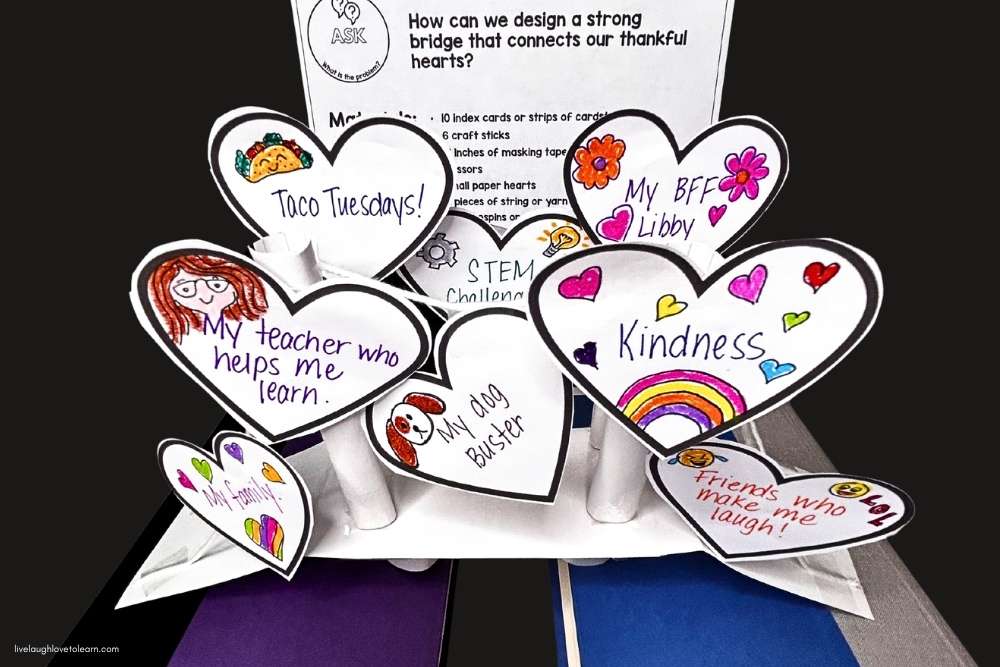
Gratitude Bridge Challenge If you want to combine SEL closure with a hands-on STEM build, the Gratitude Bridge Challenge is the perfect final week activity. Students design and build a bridge — then reflect on the people, moments, and experiences that “carried” them through the year. It’s meaningful, memorable, and brings together everything your class has practiced all year.
I just wrote a whole post about end-of-year STEM challenges, including the Gratitude Bridge. Read it here.
4. Send SEL Home for the Summer
One of the most valuable things you can do at the end of the year is help students take their SEL skills with them.
Most of the strategies students have learned in your classroom, deep breathing, using an emotions wheel, taking a break when they’re overwhelmed, are just as useful at home. But without a reminder, they often get left behind with their pencil boxes.
A few simple ways to bridge the gap:
- Send home a laminated breathing strategy card tucked inside their memory book
- Include a “summer feelings check-in” page in their end-of-year packet
- Encourage families to create a simple calm-down corner at home over the summer
A note to families explaining why these strategies matter, and how to use them, can go a long way. Many parents don’t realize how much intentional SEL work happens in the classroom, and they appreciate knowing how to continue it.
A Note on Transitions and What Kids Actually Need
The end of the year will be chaotic no matter what you do. Students will be louder, sillier, more emotional, and harder to settle than at any other point in the year.
That’s not a problem to manage. It’s information.
When kids act out at the end of the year, they’re often telling you that something feels big and they don’t know what to do with it. Your job, and you’ve been doing it all year, is to help them find the words, use the tools, and know that what they’re feeling makes sense.
You’ve built a classroom community this year. The way you close it matters.
Resources to Help You Close the Year with Intention
Everything mentioned in this post is available in my TPT store:
- Calm Down Corner Kit for Grades 3–5 – sensory tools, strategy cards, and a feelings check-in your students can take home
- Emotions Wheel Freebie – free resource to build emotional vocabulary
- Advice Booklet for Next Year’s Class – students to create a fun booklet all about their experience in 3rd, 4th, or 5th grade to share with your next year’s students.
- Gratitude Bridge STEM + SEL Challenge – the perfect final week activity that combines building with meaningful reflection
Looking for end-of-year STEM challenges to pair with these SEL activities? Read 5 End of Year STEM Challenges Your Students Will Love – every challenge includes a built-in SEL mini-lesson.
Follow along on Instagram for weekly SEL tips, STEM ideas, and a peek behind the scenes.
Always cheering you on,
