
Black History Month is a powerful time to talk with students about voice, who has it, who has fought to be heard, and why listening matters.
As the month continues, many teachers are looking for ways to move beyond timelines and biographies and into deeper conversations about justice, empathy, and speaking up. These are not easy topics, but they are important ones, and our classrooms are a meaningful place to begin.
One way I’ve found to make these conversations feel accessible and student-centered is through STEM challenges paired with social-emotional learning (SEL).
Table of Contents
Why Voice Matters During Black History Month
Throughout history, African Americans have fought to have their voices heard, in their communities, in the courts, in education, and in everyday life.
Black History Month gives us an opportunity to honor those stories while also helping students reflect on their own voices and how they use them.
When students learn that:
- Voices can be ignored or amplified
- Listening is just as important as speaking
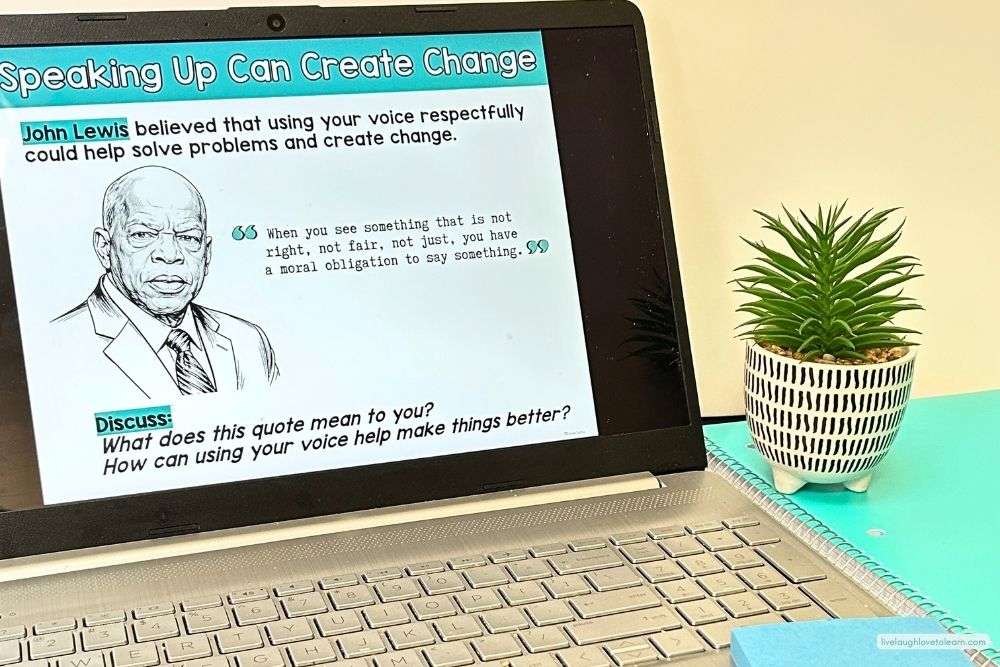
- Speaking up can lead to change
they begin to understand that their actions and words matter too.

Why STEM Is a Powerful Way to Teach Voice and Listening
At first glance, STEM might not seem like the obvious place for conversations about justice and voice, but it’s actually one of the best.
In collaborative STEM challenges, students must:
- Share ideas
- Listen to teammates
- Compromise
- Navigate frustration
- Resolve conflict
In other words, voice is already built in.
By intentionally pairing a STEM challenge with an SEL focus, we make these skills visible instead of accidental.

A Meaningful Black History Month STEM Activity: The Voices Matter Challenge
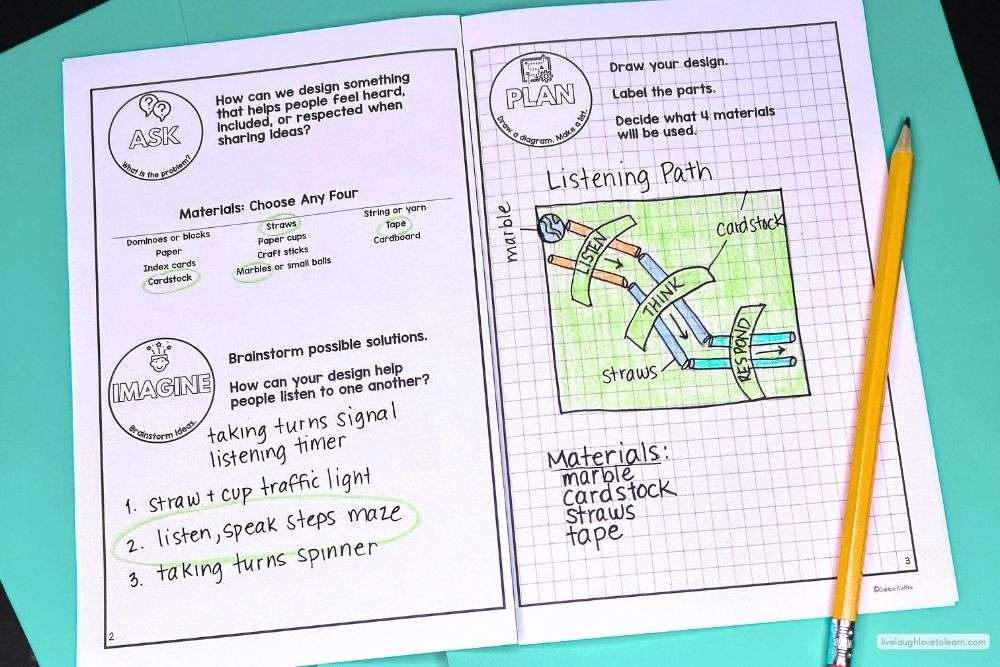
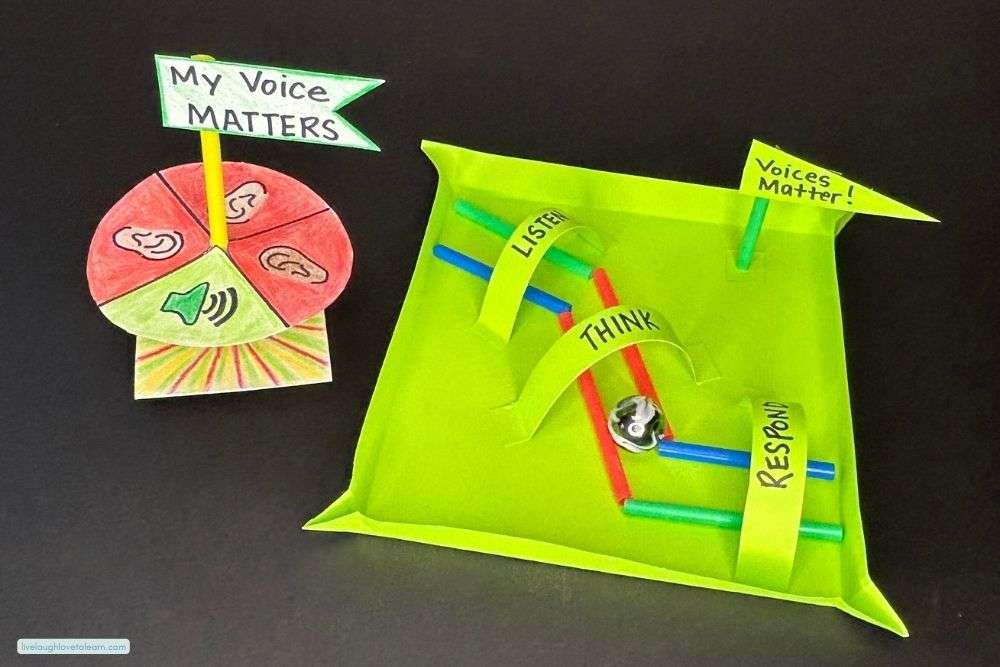
In the Voices Matter STEM Challenge, students work in teams to design a chain reaction system that demonstrates cause and effect. But there’s an added layer: each step of the challenge includes intentional listening and kindness checkpoints.
Throughout the challenge, students reflect on:
- Whether everyone’s ideas were heard
- How they handled disagreements
- What helped their team work together
- How listening impacted their success
Rather than just building something that “works,” students are building communication, empathy, and collaboration skills alongside their engineering skills.
How This STEM + SEL Challenge Connects to Black History Month
This challenge fits naturally into Black History Month discussions because it reinforces a core message students are already exploring:
Voices matter, and change happens when people listen.
Teachers often use this challenge:
- After a read-aloud or video about civil rights
- As a follow-up to discussions about fairness and justice
- To help students reflect on how speaking up (and listening) affects a community
Because it’s hands-on and collaborative, students engage deeply, often without realizing how much SEL they’re practicing in the process.
Not Just for February: Teaching Voice All Year Long
While this activity works beautifully during Black History Month, it’s not limited to one time of year.
Teachers also use Voices Matter:
- During SEL units on communication or conflict resolution
- At the start of group work routines
- When classroom dynamics need a reset
- As part of STEM + SEL integration throughout the year
That flexibility is intentional. Conversations about voice, listening, and empathy shouldn’t stop on March 1st.
A Thoughtful Way to Continue the Conversation in Your Classroom
If you’re looking for a meaningful, hands-on way to help students practice listening, teamwork, and speaking up, especially as Black History Month continues, the Voices Matter STEM + SEL Challenge offers a supportive structure for those conversations.
👉 You can find classroom-ready details and teacher directions inside the Voices Matter STEM + SEL Challenge.
Final Thoughts
Black History Month reminds us that progress happens when voices are heard, and when people are willing to listen.
By creating classroom experiences that value collaboration, empathy, and communication, we help students understand that their voices matter too, and that how they use them can make a difference.
More Black History Month Ideas by Grade Level
If you’re looking for additional ways to celebrate Black History Month in your classroom, I also share three meaningful, classroom-tested ideas, including read-alouds, videos, and a student-choice research project.
👉 3 Ideas to Celebrate Black History Month in the Classroom
(Great for upper elementary and whole-class discussions)
👉 Black History Month STEAM Activities for K–2 That Teach Real Innovation
(Hands-on, developmentally appropriate STEAM activities for primary students)
With care,
