
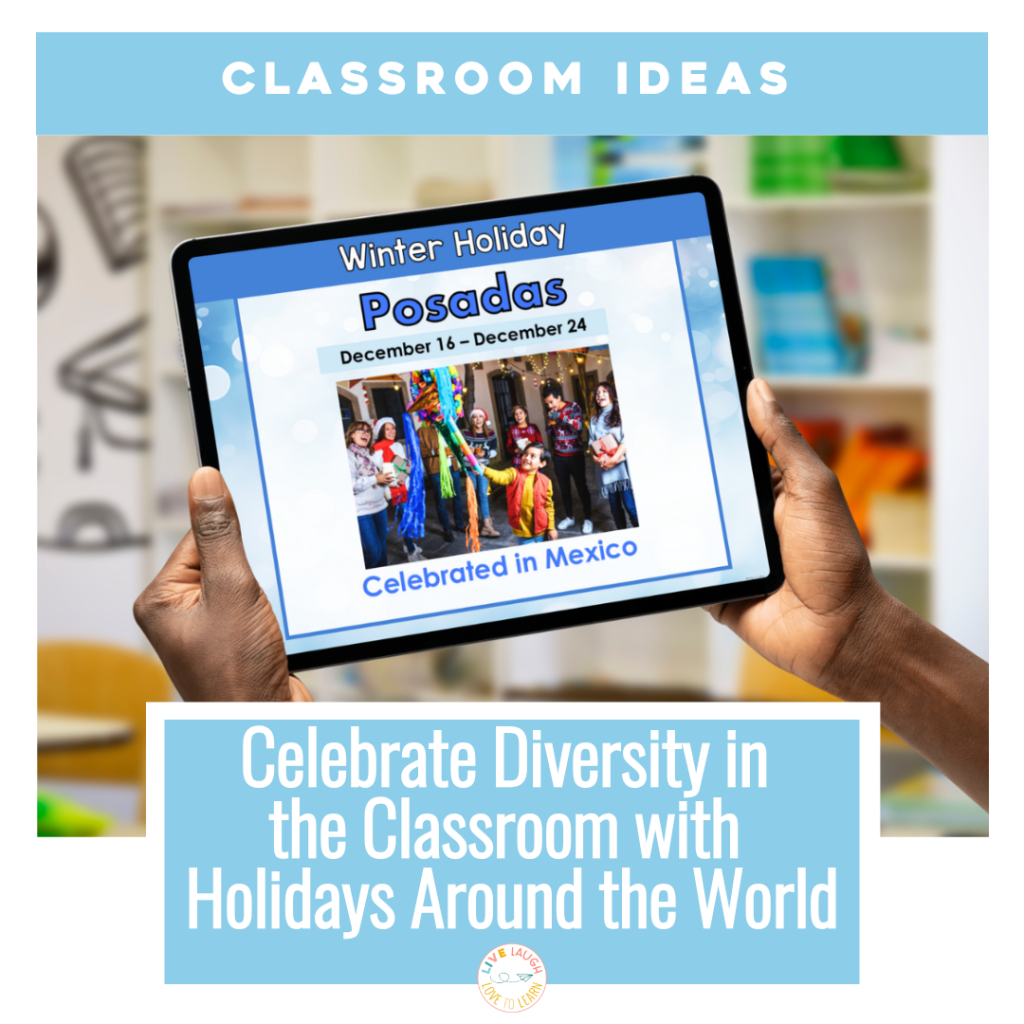
December is one of those magical months in the classroom…the smell of crayons and cinnamon candles, the twinkle lights strung up in the hallways, the hum of excitement that fills the air. But it can also be a time that quietly reminds us which traditions are celebrated… and which ones aren’t.
A Season for Connection, Not Just Celebration
I’ll never forget my second year of teaching (a long time ago), a student quietly told me, “My family doesn’t do Christmas.”
It stopped me in my tracks. I had spent days decorating our classroom with red and green garlands, a a small Christmas tree, and candy canes – all the teachers on my team were doing it. Every activity had a Christmas theme, from math word problems about gifts to our “holiday movie day.”
I looked around and realized that my room, though festive, didn’t reflect every child sitting in it.
That moment changed the way I approached December forever.
Now, instead of focusing on a single holiday, I focus on connection, on helping students learn about many celebrations around the world and the beautiful ways people honor family, light, kindness, and community this time of year.
And you know what? December became calmer, more meaningful, and far more inclusive.
Why Celebrating Diversity in the Classroom Matters
Our students come from wonderfully diverse backgrounds, different cultures, religions, and family traditions. December offers an incredible opportunity to help them see that there’s not just one way to celebrate the season.
When we highlight a range of holidays, we teach so much more than facts.
We teach empathy.
We teach respect.
We teach students that their traditions are valued—and that learning about others makes us all richer.
Here’s the best part: kids love learning about new traditions. They’re naturally curious about how other children around the world celebrate, what foods they eat, what songs they sing, and what their special traditions look like.
Exploring winter holidays together helps students build important social-emotional skills:
- Self-awareness: Reflecting on their own family traditions.
- Social awareness: Recognizing that others may celebrate differently.
- Relationship skills: Asking respectful questions and sharing experiences.
This kind of learning builds connection, the kind that lasts long after the decorations come down.
When students learn about holidays around the world, they gain more than just cultural knowledge, they build empathy and understanding for others. If you’re looking for ways to help your students recognize and respect different perspectives, check out my post on how to develop emotional intelligence in students. It’s full of ideas to help you nurture those social-emotional skills that make these cultural lessons so meaningful.
In this post, you’ll find ideas, classroom examples, and ways to bring holidays around the world activities to life with your students.
Table of Contents
Easy Holidays Around the World Activities for December
I used to feel that holiday lessons had to fit into a red-and-green box, complete with Santa, reindeer, and snowflakes. But when we open the door to other traditions, December becomes a beautiful mix of color, culture, and curiosity.
Here are some simple ways to celebrate inclusively:
1. Focus on Shared Symbols Like Light and Family
Instead of centering your decor or activities around one tradition, explore symbols that appear in many holidays—like light, peace, or family.
Create a class discussion:
“Why do you think light shows up in so many celebrations?”
You’ll be amazed at how deeply students connect ideas across holidays like Hanukkah, Diwali, Kwanzaa, and Christmas.

2. Read Picture Books About Global Winter Traditions
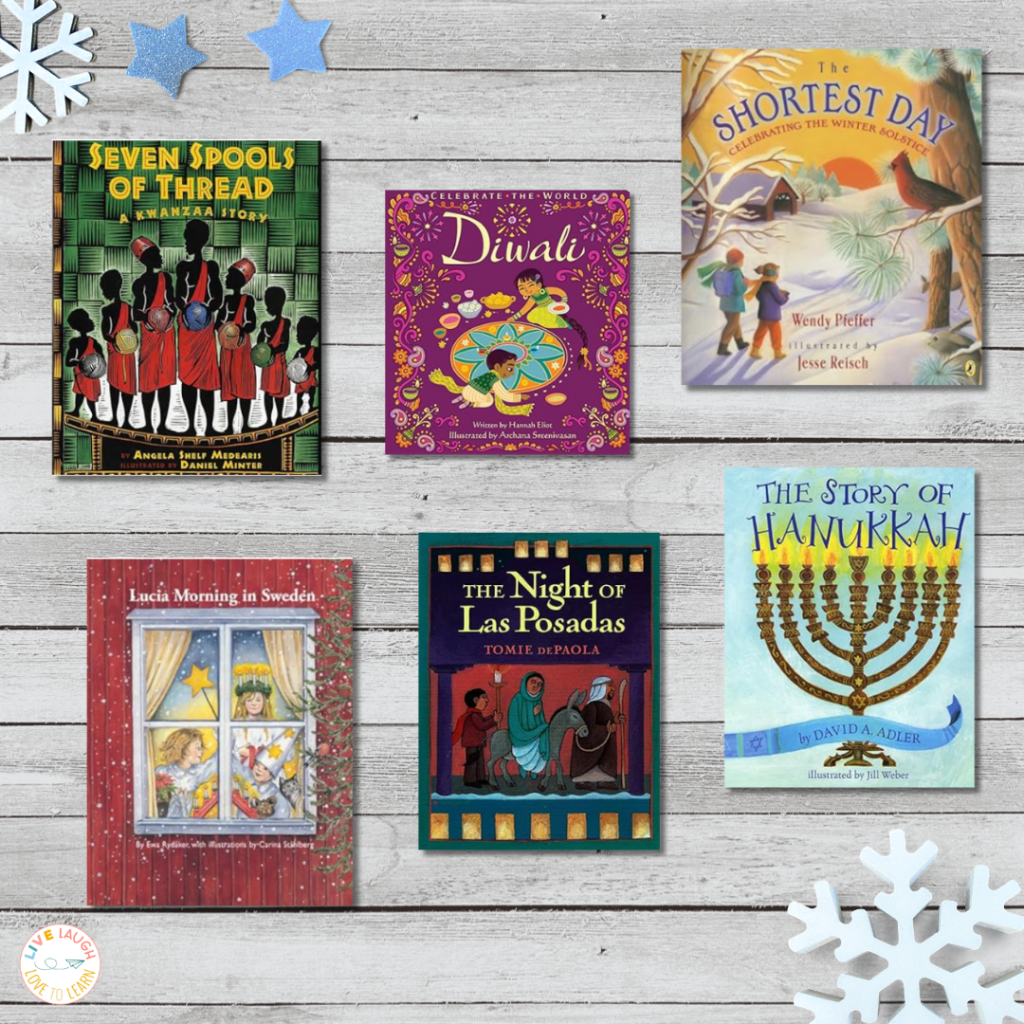
Stories are the heart of connection. Read-alouds like:
- Seven Spools of Thread (Angela Shelf Medearis)
- The Shortest Day (Wendy Pfeffer)
- The Night of Las Posadas (Tomie DePaola)
- Diwali (Hannah Eliot) and
- The Story of Hanukkah (David Adler)
help students step into someone else’s world for a moment.
Make it simple: one story a day leading up to winter break, followed by a short reflection in journals.
3. Invite Students to Share Personal Celebrations
You don’t need a big “Holiday Share Day.” A short class discussion or a “Tradition Talk” can be just as powerful.
Ask open-ended questions like:
- “What is something your family does in December that’s special to you?”
- “Is there a food, song, or activity that’s part of your celebration?”
Keep it optional, warm, and positive—students love to feel seen, but never pressured.
Start Simple with a Free Holidays Around the World Classroom Activity
If you’re thinking, “I’d love to do this, but December is already chaos,” I completely understand.
Between wrapping up report cards, finishing projects, and keeping students focused before break, adding something new can feel like a lot.
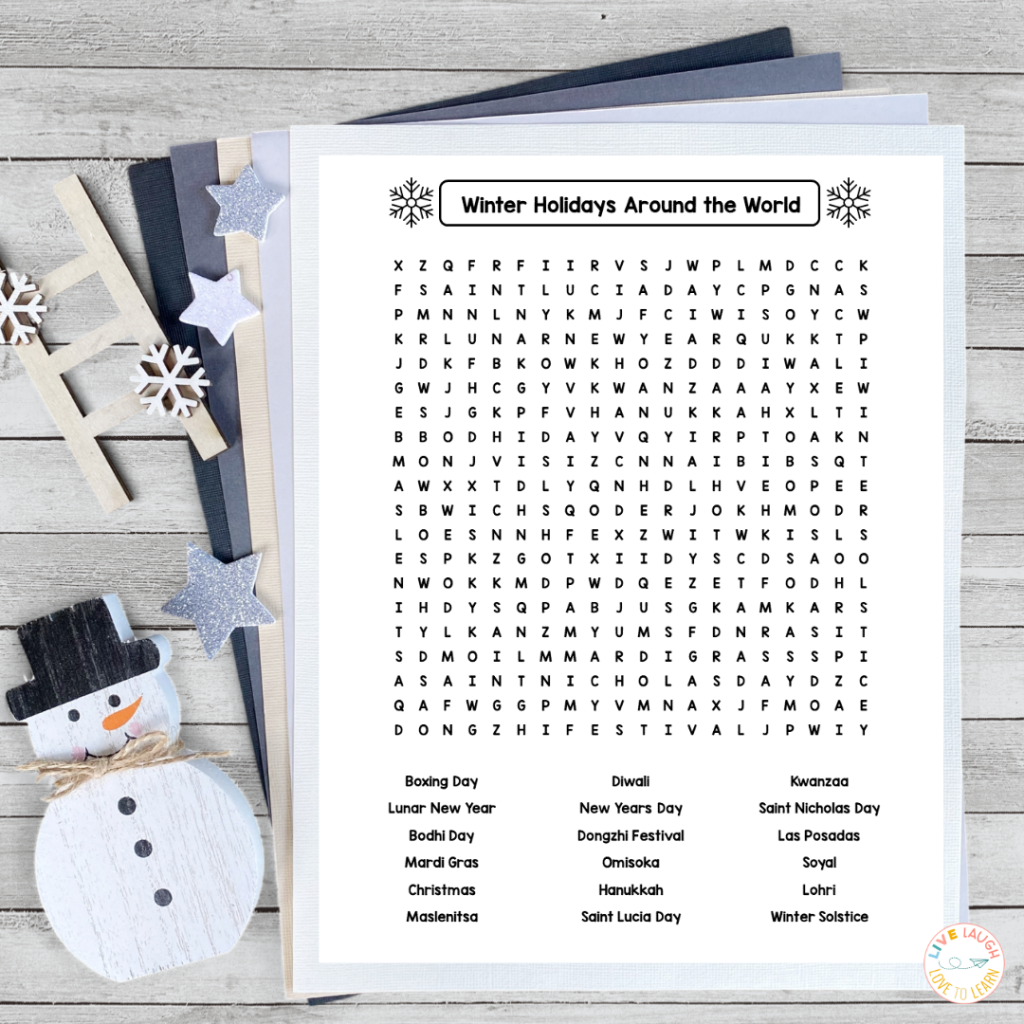
That’s why I created a free Winter Holidays Around the World Word Search, a low-prep, engaging way to spark curiosity about global celebrations.
It’s quick, meaningful, and fun. Students get to see the names of holidays they might not have heard before, like Diwali, St. Lucia Day, and Las Posadas—and it opens the door for natural conversations about diversity and culture.
You can grab it free on TPT right here:
👉 Winter Holidays Around the World Word Search
Teachers tell me it’s one of their favorite quick December activities—it’s the perfect warm-up or early finisher during those last busy weeks before winter break.
Deepen Learning with a Winter Holidays Around the World Research Project
Once your students’ curiosity is piqued, it’s the perfect time to go deeper.
My students loved discovering that children in different parts of the world celebrate winter in completely unique ways, lighting candles, preparing special foods, gathering for festivals, or performing dances. It made them so proud to share their own traditions, too.
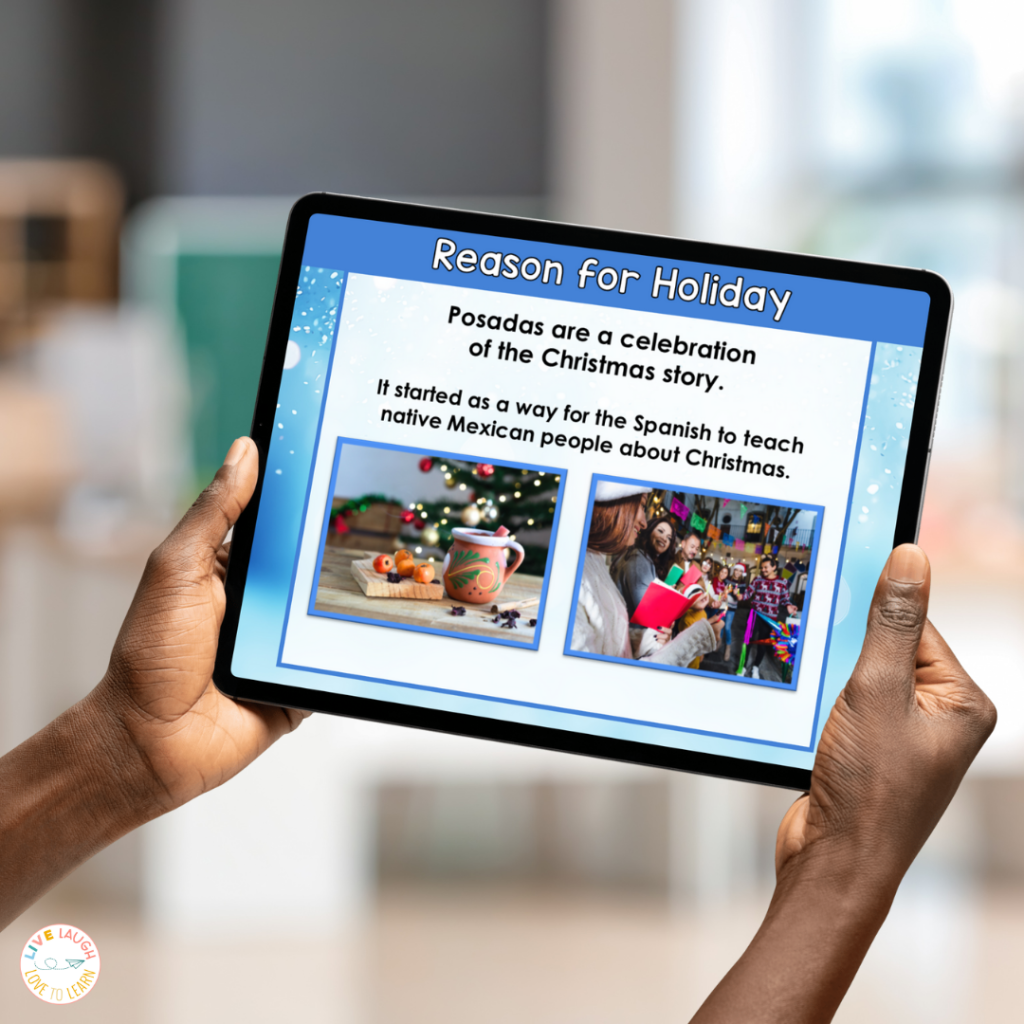
To keep that excitement going, I designed my Winter Holidays Around the World Research Project for Google Slides.
This project gives students a chance to choose a country or holiday, research key traditions, and present their findings on editable slides. It blends reading, writing, research, and creativity, all wrapped in cultural awareness.
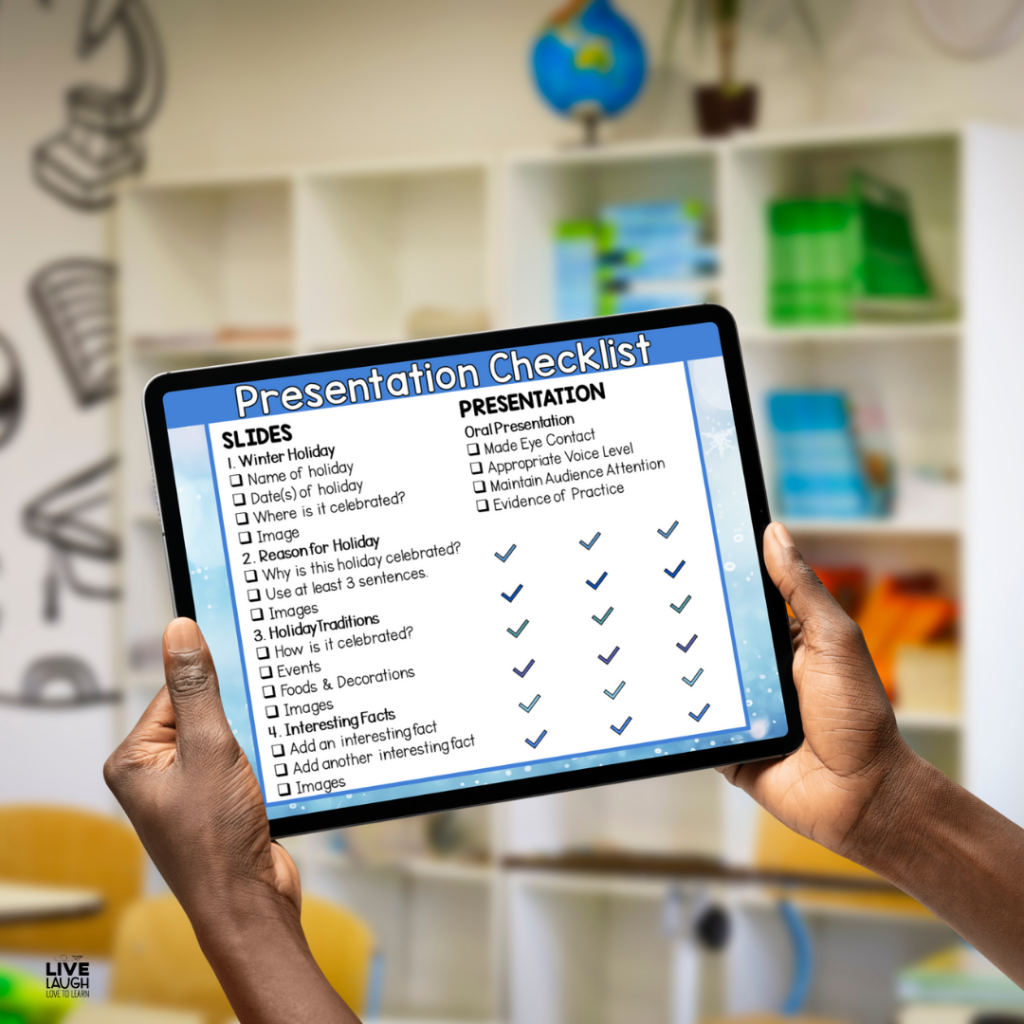
Each slide template guides students step-by-step through their project:
- Where is this holiday celebrated?
- What foods, decorations, or traditions are important?
- How does this holiday connect to values like light, family, or giving?
And because it’s digital, students can easily add photos, flags, or facts while practicing tech and presentation skills.
It’s a calm, purposeful December project that keeps students engaged right up until winter break—and it’s so heartwarming to see their finished slideshows!
You can find it here on TPT:
👉 Winter Holidays Around the World Research Project for Google Slides
Holiday research projects are the perfect opportunity to practice communication and listening skills. Encourage students to share what they’ve learned respectfully and confidently! If you’d like to build those presentation skills even further, my post on easy ways to build communication skills in upper elementary includes practical classroom tips and a free feedback activity you can use right away.
More Inclusive Holiday Classroom Ideas to Try
Even small changes can make a big difference in creating an inclusive classroom. Here are a few more ways to honor your students’ traditions:
Create a “Holidays Around the World” Map
Display a large world map and invite students to place a small sticker or flag on the country of their holiday research.
By the end of the week, you’ll have a colorful visual of celebrations across the globe.
Host a “Festival of Lights” Day
From Diwali to Hanukkah to Kwanzaa, light is a powerful symbol shared across many cultures.
Have students create paper lanterns, draw candles, or write poems about what “light” means to them.
Create A Classroom Display
Creating a classroom display of winter holidays is a beautiful way to celebrate diversity. You can include student artwork, research posters, and images from countries around the world. For inspiration on making your environment more inclusive and supportive of emotional growth, take a look at 5 ways to use classroom decor to support social emotional learning
Hands-On Holiday Projects
Want to take your holidays around the world activities to the next level? Try pairing them with hands-on STEM challenges! Building a Diwali lantern, designing a Kwanzaa kinara, or testing a paper “snow lantern” from Sweden helps students connect cultural learning with creativity and problem-solving.
Explore Global Holiday Music and Food Traditions
Play short clips from celebrations like Feliz Navidad, Ocho Kandelikas, or traditional carols from other countries. Discuss the emotions in each song and how music brings people together.
Have students research one traditional food eaten during their assigned holiday and create a “recipe card” page for a class cookbook.
No actual cooking required, just imagination, fun, and connection!
A Season of Belonging and Connection
At the end of the day, December isn’t about the decorations or the parties, it’s about the feeling we create in our classrooms.
When we take time to explore different holidays, we send a powerful message: You belong here.
Every student deserves to see their family’s traditions represented, to share what’s meaningful to them, and to learn that differences are something to celebrate, not hide.
As teachers, we have the unique privilege of shaping that sense of belonging.
So this year, take a step back from the glitter glue and think about what your students might be celebrating beyond your classroom walls. Introduce them to the wider world, one holiday at a time.
Start small.
Start with curiosity.
Start with kindness.
And if you’re looking for easy ways to begin, don’t forget:
🎁 Grab the free Winter Holidays Around the World Word Search to kick things off.
🌍 Then explore the Winter Holidays Around the World Research Project for Google Slides when you’re ready to dive deeper.
Both are designed to make your December more meaningful, inclusive, and joy-filled, for every student in your classroom.
Keep Exploring
Celebrating holidays around the world is such a meaningful way to help students see the beauty in diversity while practicing real-world SEL skills.
If you’re ready to keep that momentum going, explore more ways to build emotional intelligence, strengthen communication skills, or create a calm and inclusive classroom space.
These small, intentional lessons help students grow into kind, curious global citizens, one classroom activity at a time. 🌍✨
