
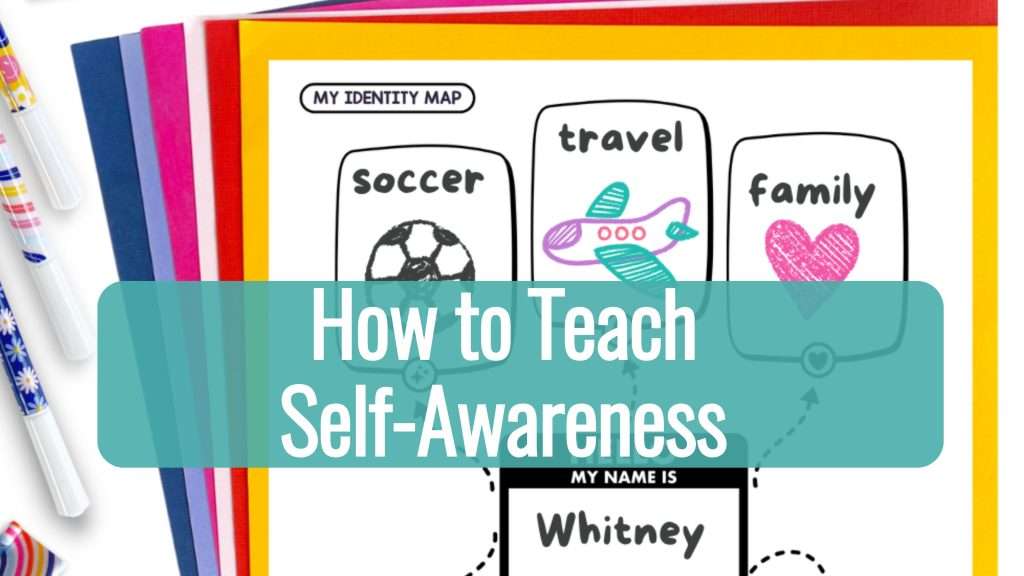
Upper elementary students are at an interesting stage.
They’re starting to compare themselves to others.
They’re becoming more aware of their strengths and their struggles.
And they’re asking big, quiet questions like:
- Why am I good at this but not that?
- Why do I feel different from other kids?
- Where do I fit?
This is exactly why self-awareness and identity deserve intentional space in our classrooms.
But teaching these skills can feel tricky, especially when you want lessons to be meaningful, not awkward or forced.
Why Self-Awareness Matters in Upper Elementary
Before students can manage emotions effectively, they first need to recognize what they’re feeling and why, which I talk more about in my post on developing emotional intelligence in students.
Self-awareness is more than naming emotions.
In upper elementary, it includes:
- Recognizing personal strengths and challenges
- Understanding values, interests, and preferences
- Noticing emotional and physical reactions
- Reflecting on experiences and choices
When students build self-awareness, they’re better able to:
- Regulate emotions
- Set realistic goals
- Communicate needs
- Build healthier relationships
And importantly, they start to see themselves as capable learners, not just “good” or “bad” at school.
What Teaching Identity Looks Like in Upper Elementary
Identity work doesn’t mean asking students to share deeply personal information.
At the upper elementary level, it looks like:
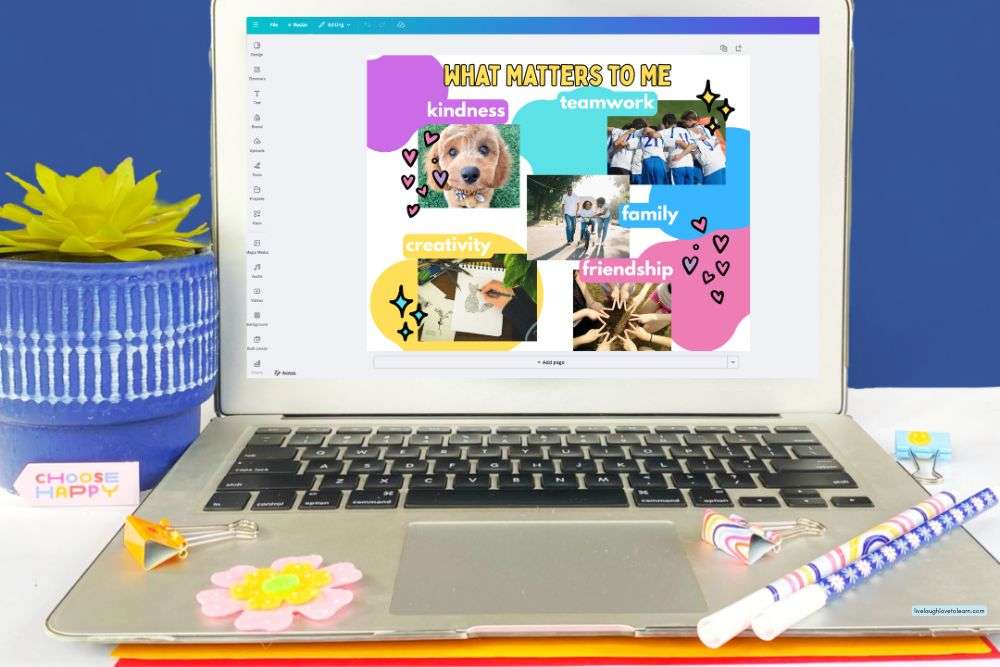
- Exploring strengths and interests
- Reflecting on what makes them unique
- Recognizing that everyone’s experiences are different
- Building respect for themselves and others
The goal isn’t labeling, it’s understanding.
As students build a stronger sense of identity, it also impacts how they communicate with others, something I explore further in my post on teaching effective communication skills in upper elementary.
Common Challenges When Teaching Self-Awareness
If you’ve ever thought:
- I’m not sure how to start these conversations
- I don’t want this to turn into forced sharing
- I need something structured, not just discussion prompts
You’re not alone.
That’s why self-awareness lessons work best when they are:
- Structured
- Reflective
- Student-centered
- Low pressure
What Effective Self-Awareness Lessons Include
The most successful lessons tend to use:
- Guided reflection instead of open-ended sharing
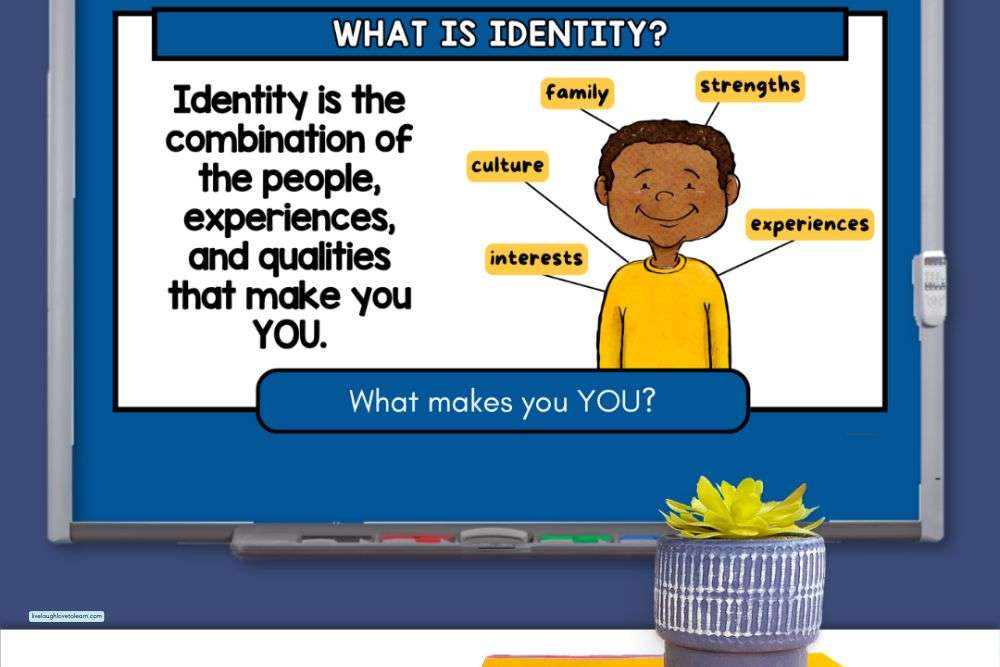
- Visual tools and organizers
- Choice-based activities
- Private journaling options
- Clear vocabulary and examples
These elements help students engage without feeling exposed.
A Structured Approach to Teaching Self-Awareness and Identity
When self-awareness is taught over time, not as a one-off lesson, students begin to:
- Notice patterns in their thinking and behavior
- Talk about strengths and challenges with confidence
- Set personal goals that actually make sense to them
That’s the approach I use in my Self-Awareness and Identity SEL Unit for Grades 4–5.
The unit is designed to guide students through:
- Understanding emotions and reactions
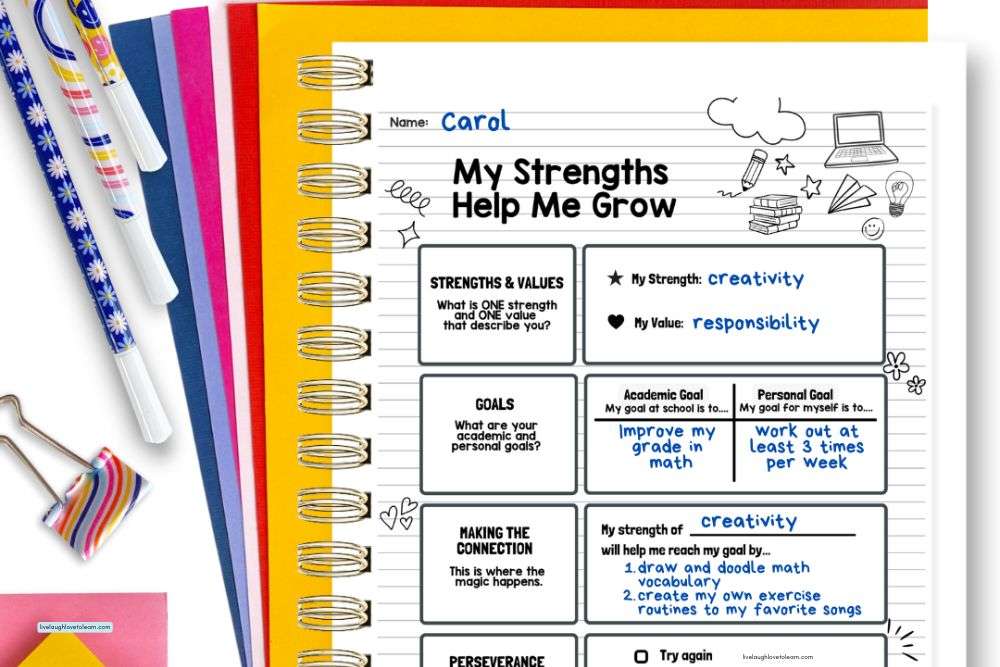
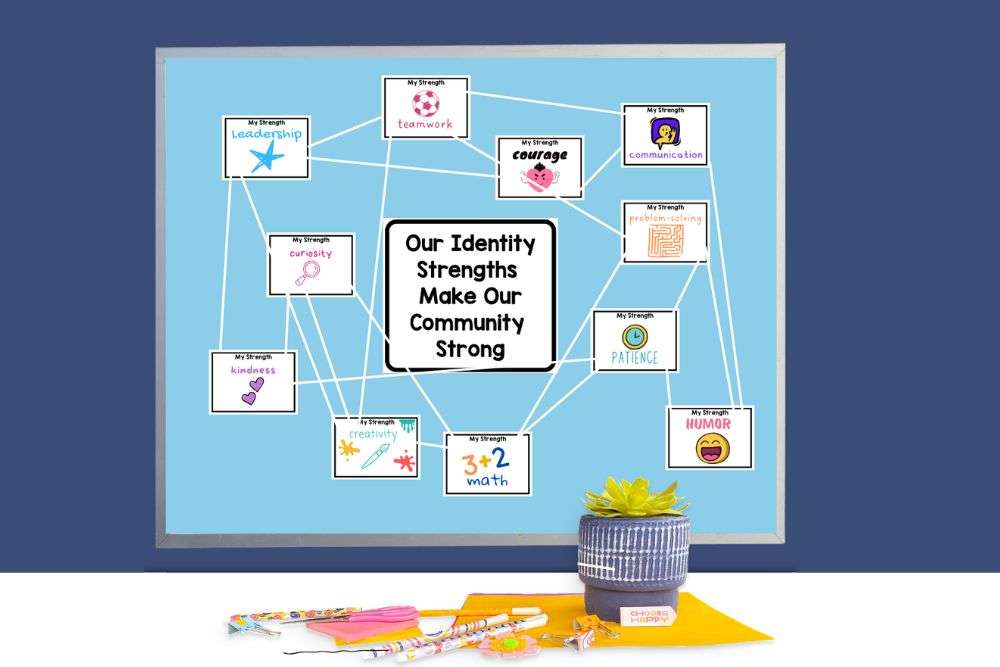
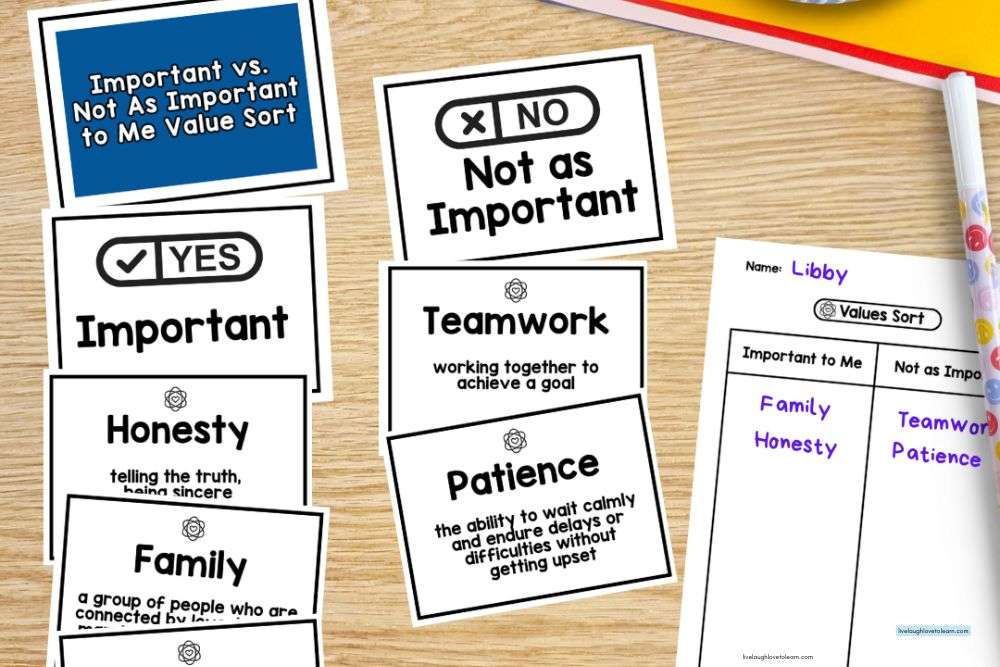
- Identifying strengths and values
- Reflecting on identity and growth
- Making connections between self-awareness and decision-making
Everything is scaffolded, age-appropriate, and designed to feel safe and manageable for students.
When students understand their own triggers, strengths, and perspectives, they’re better prepared to handle disagreements respectfully, which connects closely to what I share in my post on teaching conflict resolution strategies in elementary classrooms.
If You’re Looking for Ready-to-Use Self-Awareness Lessons
If you want structured lessons that take the guesswork out of teaching self-awareness and identity, my Self-Awareness and Identity SEL Unit provides:
- Clear mini-lessons
- Student reflection activities
- Visual supports and anchor charts
- Journaling and goal-setting tools
- Teacher notes and implementation tips
It’s designed for real classrooms, whether you teach SEL explicitly or integrate it into your daily routine.
➡️ Teaching Self-Awareness SEL Unit for 4th and 5th Grades
Final Thoughts
Self-awareness isn’t an “extra.”
It’s a foundation.
Self-awareness doesn’t stand alone, it supports emotion regulation, communication, and conflict resolution, all of which work together to help students navigate both learning and relationships.
When students understand themselves, they’re better equipped to learn, connect, and grow, not just academically, but emotionally too.
And when we give them the tools to explore who they are in a thoughtful, structured way, we’re doing more than teaching SEL, we’re helping them build confidence that lasts far beyond the classroom.
