In March, I like to incorporate engaging STEM activities into my classroom to help alleviate the stress of test prep season. While we celebrate St. Patrick’s Day in my family due to our Irish heritage, I also use March STEM activities as a way to keep students motivated and excited about learning during a time of year that can feel especially heavy.
Students are beginning to feel the pressure, and teachers are definitely feeling it too. There’s still content to teach, skills to review, and lots of practicing to be done.
But even during standardized testing season, learning doesn’t have to feel overwhelming.
Imagine setting aside a 45-minute block each week where students are:
- Problem-solving
- Collaborating
- Collecting and analyzing data
- Communicating their thinking
- Reflecting on improvement
That’s exactly what a structured STEM challenge allows you to do.
Originally published March 2022. Updated March 2026 to include structured STEM + SEL integration and deeper reflection components.
✨ What’s New in These March STEM Challenges?
These March STEM activities have been updated to include intentional social-emotional learning integration.
Each challenge now includes:
- Explicit SEL mini-lessons
- Guided engineering slides
- Structured reflection prompts
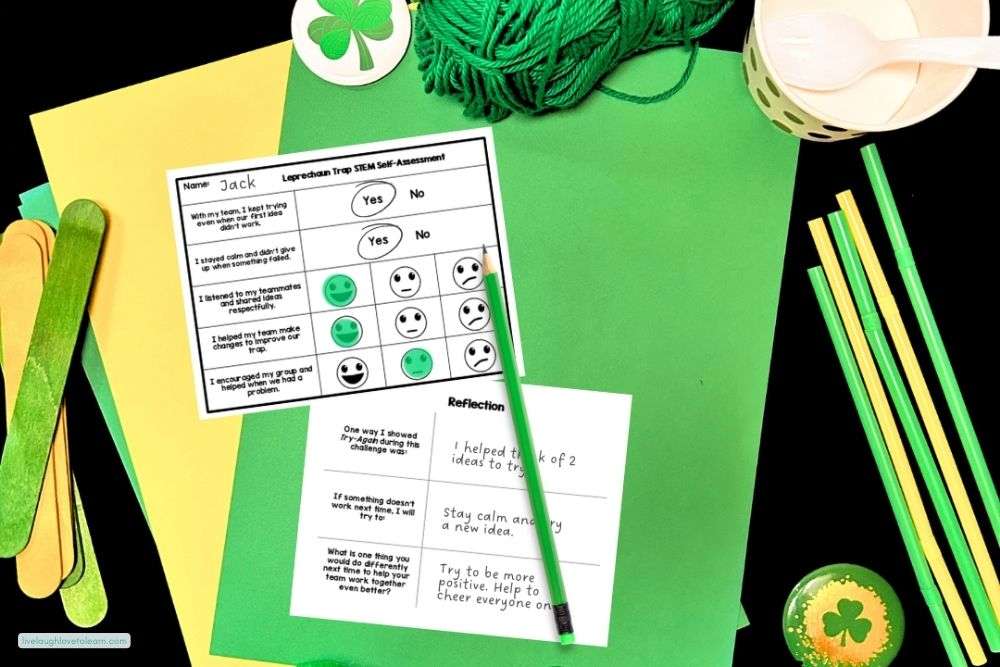
- Student self-assessments
- A clear Test → Improve process
These aren’t just festive crafts. They are structured STEM + SEL learning experiences designed for Grades 3–5.
If you’re looking for more ways to intentionally integrate social-emotional learning into your instruction, you might also enjoy this post on How to Develop Emotional Intelligence in Students.
🔎 Real Engineering, Not Just Building
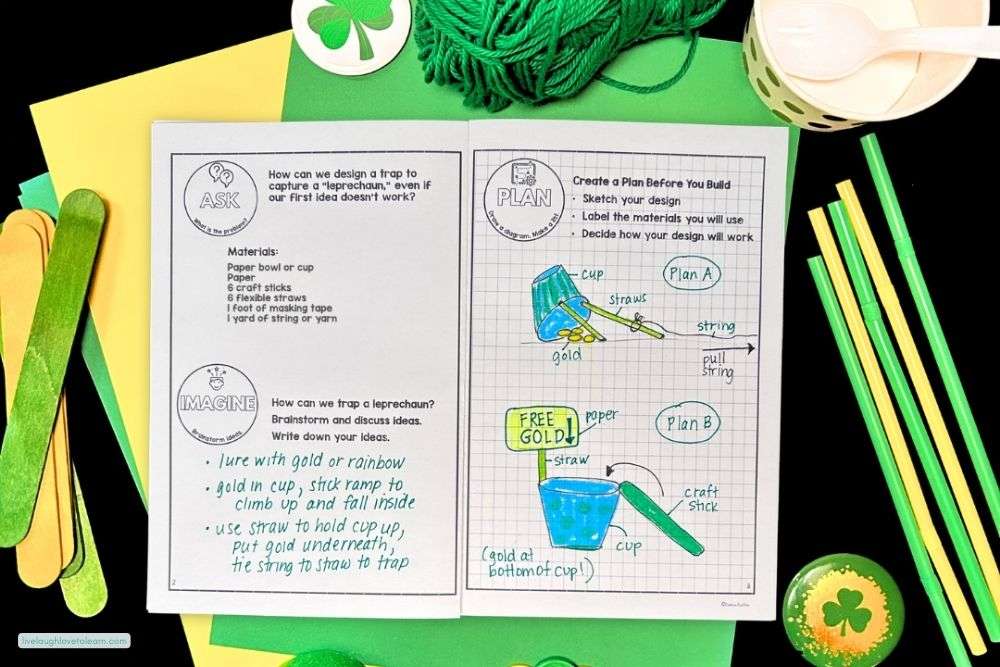
In both of these March STEM challenges, students follow a structured engineering design process:
Ask → Imagine → Plan → Create → Test → Improve
Instead of building once and being finished, students:
- Collect data
- Identify strengths and weaknesses
- Make intentional design changes
- Re-test and analyze results
- Reflect on effort, teamwork, and perseverance
This mirrors real-world engineering, and builds the kind of academic stamina students need during testing season.
If you’d like to see more ways I structure engineering challenges in upper elementary, you can explore my post SEL in STEM: 5 Ways to Add Social Emotional Learning to Any STEM Challenge
🍀 St. Patrick’s Day Leprechaun Trap STEM Challenge
(Perseverance & Try-Again SEL Focus)
One tried-and-true St. Patrick’s Day STEM challenge is designing a leprechaun trap. Students use simple classroom materials to create a trap sturdy and clever enough to “catch” a mischievous leprechaun. I love adding a paper leprechaun, fake gold coins, green paper, and markers to make the experience even more engaging.
But the real learning happens after testing.
This challenge now includes a Perseverance / Try-Again SEL focus. Students explicitly practice:
- Managing frustration when designs fail
- Using feedback instead of giving up
- Identifying one specific improvement
- Revising with intention
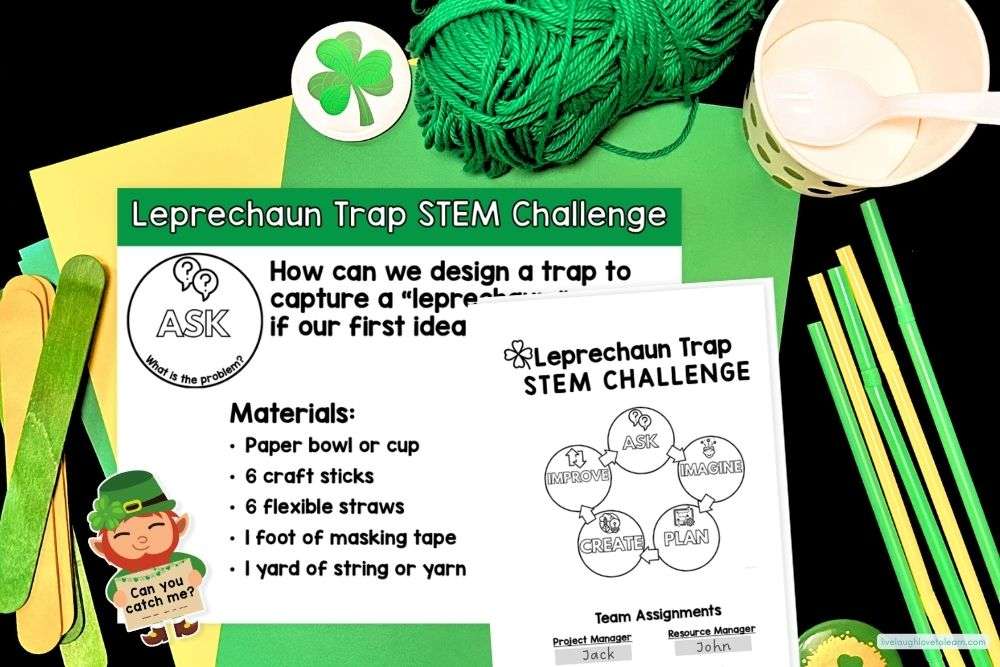
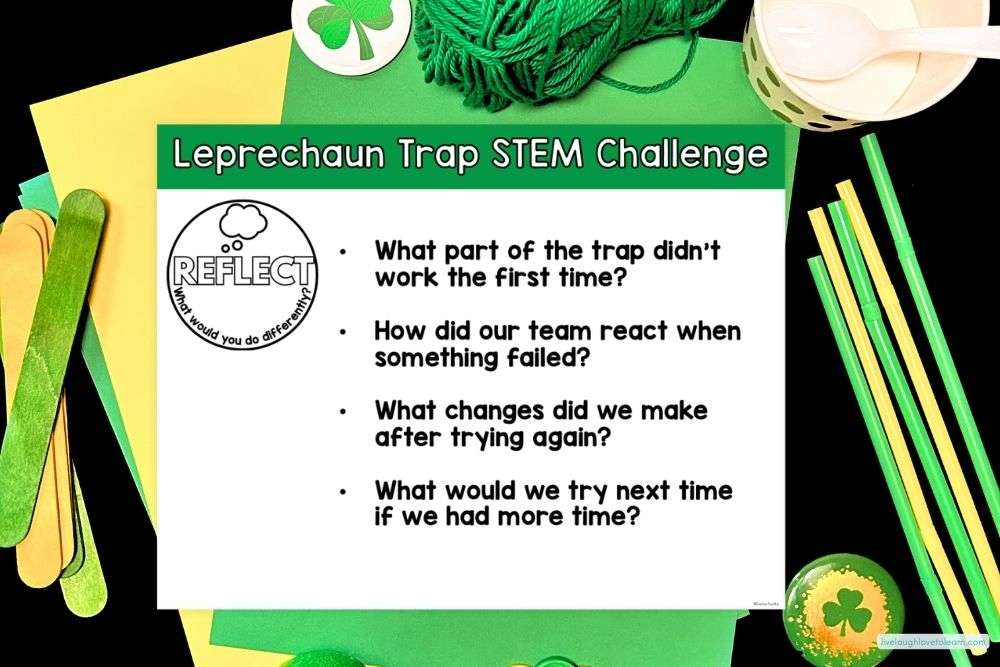
After testing their traps, students complete a structured reflection identifying:
- What didn’t work
- Why it didn’t work
- What they’ll change
- How they showed perseverance
Students quickly see that engineering success rarely happens on the first try, and that persistence pays off.
If you want a ready-to-use version with slides, student journals, SEL mini-lessons, and structured reflection pages, you can find the complete Leprechaun Trap STEM Challenge here.
🌈 Pot O’ Gold Float STEM Challenge
(Data-Driven Improvement & Collaboration Focus)
Another engaging March STEM activity is the Pot O’ Gold Float STEM Challenge.
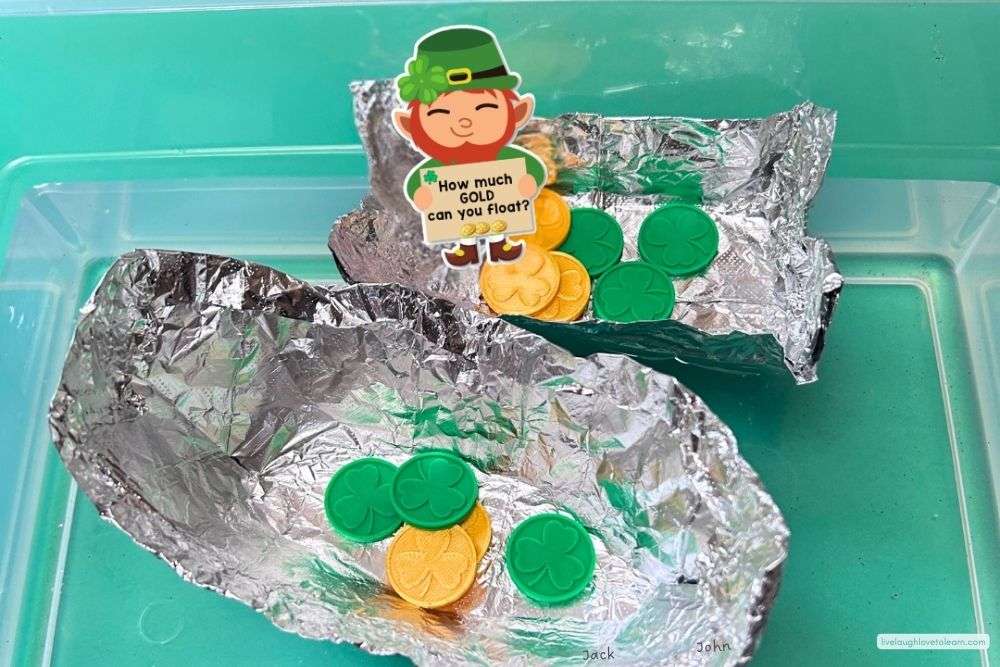
Students design and build a “pot” (boat) using aluminum foil that can carry the maximum number of gold coins while still floating. A small water container is used to test which design holds the most “gold.”
But again, the learning goes beyond the first test.
This challenge includes a Test & Improve SEL component, encouraging students to:
- Record and analyze coin counts
- Compare design strategies
- Make one intentional structural change
- Re-test and evaluate improvement
- Reflect on teamwork and decision-making
Instead of starting over randomly, students learn to use data to guide their revisions.
They practice:
- Flexible thinking
- Collaboration
- Growth mindset
- Evidence-based problem solving
If you prefer having everything prepared, slides, recording sheets, reflection prompts, and teacher guidance, the full Pot O’ Gold STEM Challenge is available here.
Why March Is the Perfect Time for STEM + SEL
March can feel long.
Energy dips. Testing pressure increases. Students feel it. Teachers feel it.
Intentionally blending engineering with social-emotional learning gives students a structured outlet for:
- Productive struggle
- Teamwork
- Reflection
- Confidence-building
These are the exact skills students need, not only for assessments, but for long-term success.
By embedding perseverance, reflection, and collaboration directly into hands-on engineering challenges, students learn that mistakes are part of growth and that improvement is always possible.
And that’s a lesson worth teaching, especially in March.
You can read more about why SEL belongs in academic instruction in this post about 5 Conflict Resolution Activities for Elementary Students.
Make Planning Easier
If you teach upper elementary, these March STEM challenges are also available together in a March STEM bundle, making planning even simpler during this busy season.
Looking for More Seasonal STEM Ideas?
If you love seasonal STEM challenges, you might also enjoy:
Because engineering builds more than structures, it builds confidence,