Simple ways to build teamwork, communication, and emotional growth through hands-on learning.

Introduction
If you’ve ever watched a group of students argue over whose design idea is “better,” you already know that STEM challenges are packed with social-emotional learning (SEL) moments. SEL in STEM? It just makes sense.
That’s why I love combining the two!
By intentionally weaving SEL into STEM, students practice collaboration, communication, problem-solving, and managing frustration, all while engineering, building, and testing their ideas.
STEM gets even better when SEL is part of the plan.
In this guide, you’ll learn 5 simple, realistic ways to add SEL to any STEM challenge so your classroom becomes more positive, productive, and connected.
Why SEL Belongs in STEM Challenges
SEL in STEM are a natural match. When students brainstorm, design, evaluate, and improve their work, they’re already practicing critical SEL skills:
- Self-management: staying calm when a design fails
- Relationship skills: listening, compromising, taking turns
- Responsible decision-making: choosing materials wisely, dividing jobs fairly
- Self-awareness: recognizing strengths, growth areas, and emotions
- Social awareness: showing empathy, supporting teammates
STEM challenges give students authentic opportunities to use these skills. When we highlight them intentionally, we turn a fun hands-on activity into a meaningful SEL learning experience.
STEM challenges give students real-life opportunities to use these skills.
When we point them out and make them intentional, we turn a fun building activity into a powerful learning experience.
If you want more background on why SEL matters, check out my post on How to Develop Emotional Intelligence in Students.

How to Add SEL to Any STEM Challenge (Step-by-Step)
1. Start With an SEL Focus Skill
Before students begin, choose one SEL skill to emphasize: teamwork, communication, managing frustration, or perseverance.
Introduce it with a quick mini-lesson or anchor question:
Today we’re focusing on how we work together, not just what we build.
Students can also set a quick personal goal on a sticky note:
- “I will listen before I talk.”
- “I will use calm words when I’m frustrated.”
This simple step of incorporating a increases intentionality and reduces off-task behaviors.
SEL in STEM feels like the secret ingredient we’ve been missing.
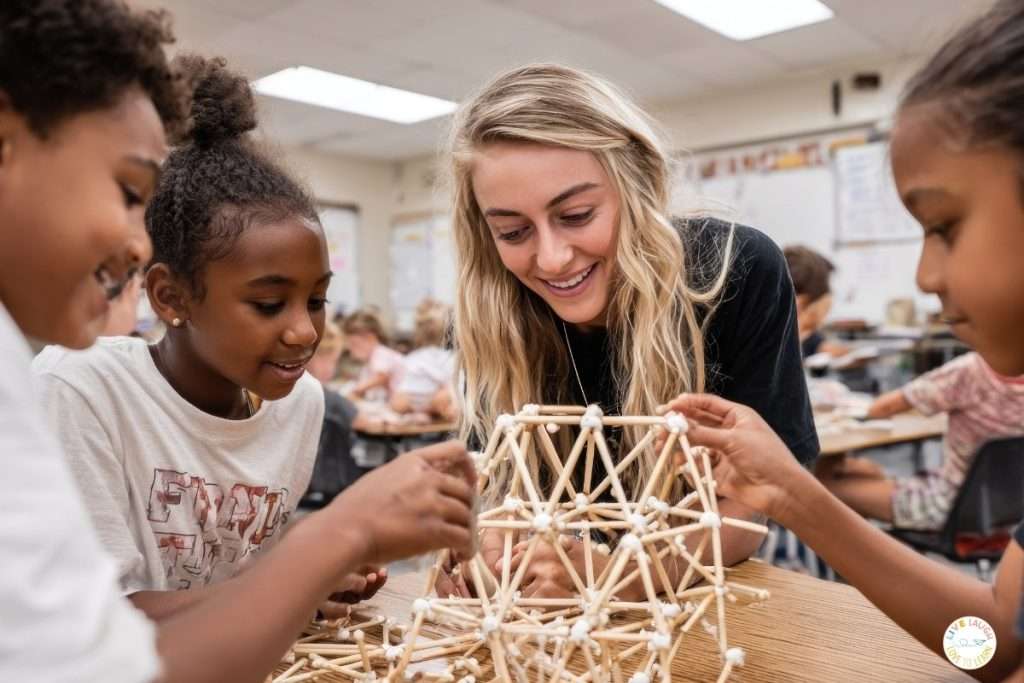
2. Assign STEM Team Roles That Support Collaboration
Assigning roles prevents one student from taking over and builds empathy for each person’s contribution. Try roles like:
- Planner
- Builder
- Materials Manager
- Tester
- Reporter
Rotate roles each round so everyone experiences leading and following, both important SEL skills.
3. Pause for Quick SEL Check-Ins During the Build
Halfway through the challenge, take a 30-second reflection break:
- “How’s our teamwork going?”
- “What emotion are you feeling right now?”
- “How can we make sure everyone’s voice is heard?”
These mini-checkpoints help students regulate their emotions and adjust their behavior during the challenge instead of only reflecting afterward.
With SEL built in, STEM becomes more collaborative, calm, and student-centered.
If your students struggle with disagreements during group work, these 5 Conflict Resolution Activities for Elementary Students offer simple routines you can use before or after STEM challenges.
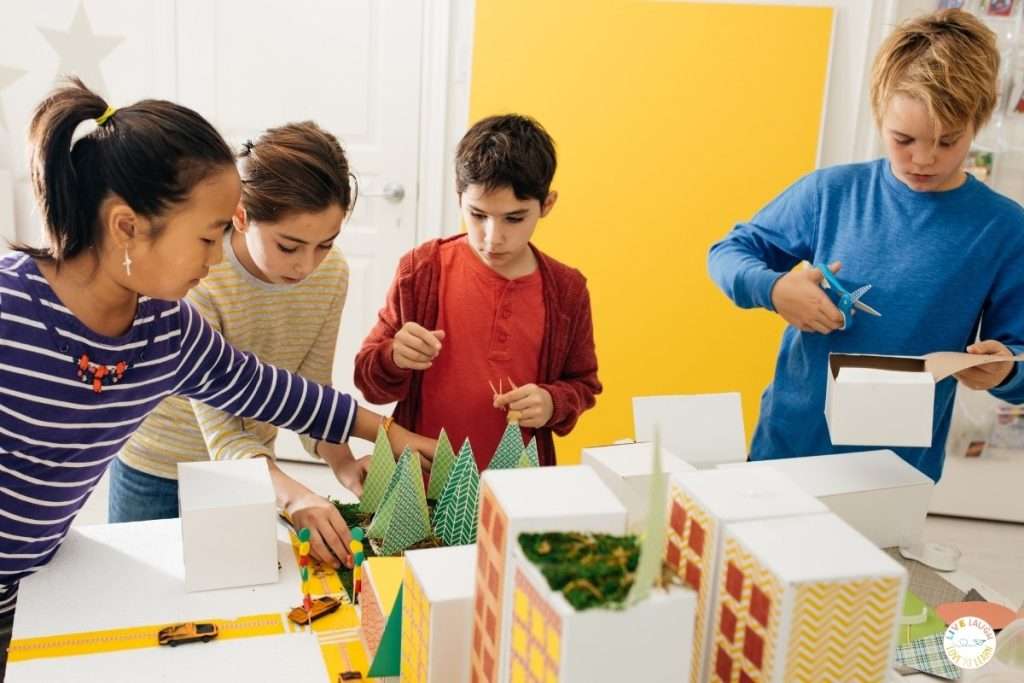
4. Debrief the STEM and the SEL Learning
During the end-of-activity discussion, ask both STEM and SEL questions:
STEM Reflection:
- What worked well in your design?
- What would you change next time?
SEL Reflection:
- How did your team communicate?
- What teamwork strategies helped you succeed?
- How did you handle frustration or disagreements?
This format deepens learning beyond “we built a tower.”
If you want a complete ready-made version, try the STEM + SEL Gratitude Bridge Challenge, which includes a SEL-focused debrief and student journal pages.
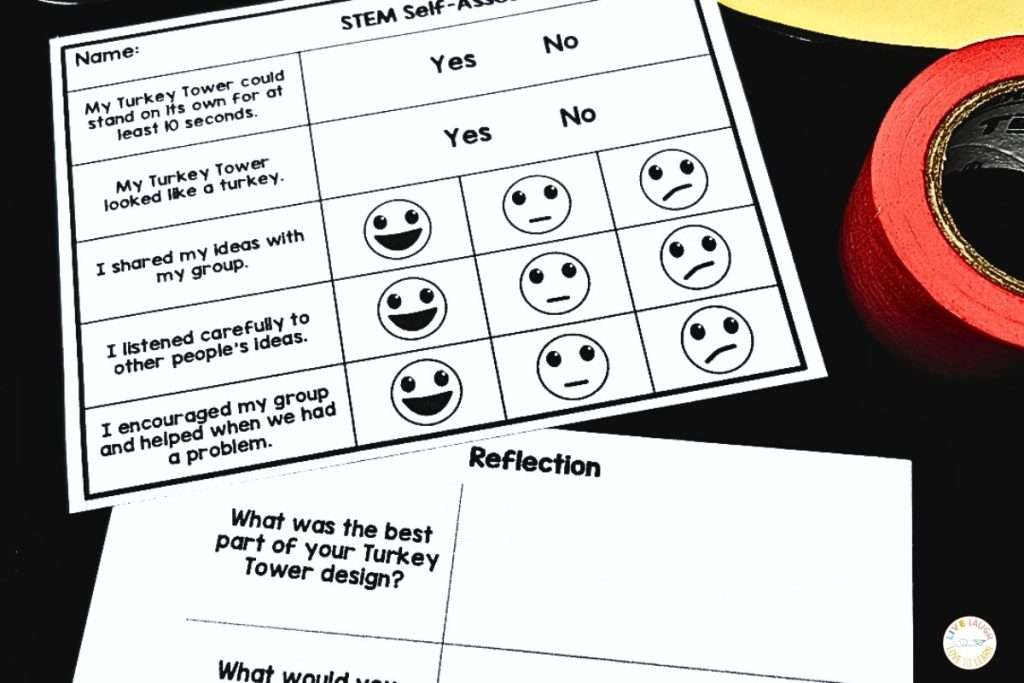
5. Celebrate Teamwork and the Problem-Solving Process
Make sure to celebrate the process as much as the final structure!
SEL success matters just as much as the final structure.
Celebrate groups who:
- listened to each other
- showed patience
- used kind words
- demonstrated resilience
- compromised during disagreements
These moments build classroom community and teach students that who they are as teammates matters.
SEL in STEM challenges into opportunities for teamwork and growth.
STEM + SEL Challenge Ideas You Can Use Anytime
Here are classroom-tested challenges that weave SEL directly into the Engineering Design Process:
🦃 Turkey Tower Teamwork STEM Challenge
A seasonal favorite for teaching teamwork and communication while building tall, stable turkey towers.
💛 Gratitude Bridge Challenge
Students design a bridge connecting “thankful hearts” while reflecting on gratitude and collaboration.
🗣️ Nametag Communication STEM
A quick challenge that emphasizes both verbal and nonverbal communication with rotating roles.
🔗 Teamwork Paper Chain STEM
Perfect for practicing collaboration, problem-solving, and growth mindset with simple materials.
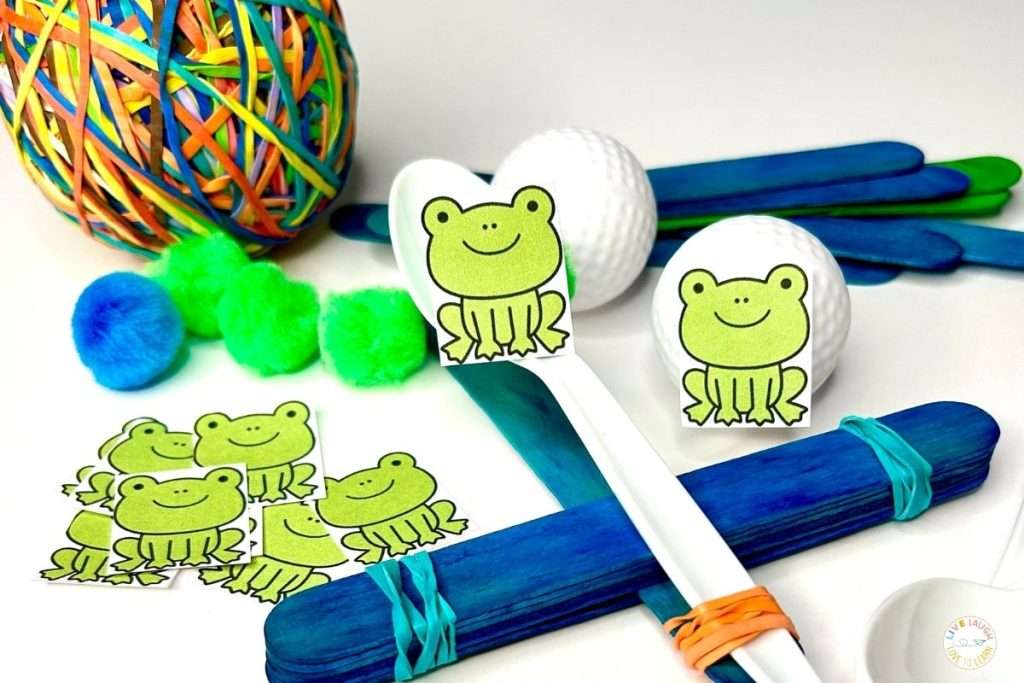
🐸 Leap Frog Catapult Conflict Resolution Challenge
A crowd pleaser that teaches conflict resolution and compromise when designs fail or need revising.
Each challenge includes a built-in SEL mini-lesson, team roles, reflection questions, and student journals.
Teacher Tips for Integrating SEL Into STEM Activities
These simple adjustments make STEM SEL integration smooth and effective:
- Start small. Choose one SEL focus per challenge.
- Model self-talk. Verbalize your own thinking when things don’t work.
- Use visual cues. Post STEM + SEL expectations in your building area.
- Normalize setbacks. Treat design failure as part of learning.
- Build a routine. Use the same reflection questions at the end of each challenge.
For more SEL support strategies, you may enjoy: 4 Easy Ways to Build Communication Skills in Upper Elementary
Final Thoughts
Adding SEL to your STEM challenges doesn’t require a huge overhaul, it just takes intentionality. When students understand that teamwork, empathy, communication, and perseverance matter as much as the final design, they begin using these skills well beyond STEM time.
Start small, celebrate growth, and watch your students transform into thoughtful engineers and caring collaborators.
If you want ready-to-go resources, explore my STEM + SEL Challenges on Teachers Pay Teachers. Each challenge includes teacher directions, SEL mini-lessons, reflection pages, and student journals so you can focus on guiding students, not planning from scratch.
❓ FAQ: SEL in STEM
What SEL skills can students learn during STEM challenges?
Students naturally practice communication, teamwork, self-management, perseverance, empathy, and conflict resolution during STEM collaboration.
How do you integrate SEL into STEM activities?
Choose a focus skill, assign roles, use quick check-ins, and guide reflection at the end. Even small routines build strong SEL habits.
Why is SEL important in STEM?
SEL helps students handle failure, communicate effectively, solve problems together, and stay regulated during challenges.
Can SEL be added to any STEM challenge?
Yes! SEL connections work with any building, design, or engineering activity. You can incorporate SEL skills through roles, discussion questions, mini-lessons, and reflection.
What are easy SEL mini-lessons for STEM challenges?
Try teaching communication strategies, growth mindset, active listening, or conflict resolution before the challenge begins.