Imagine this: It’s the middle of the school day, and a student’s frustration is bubbling over. They’re struggling to find the words to explain what’s wrong. Before you know it, their emotions have taken control, and the classroom energy has shifted. Sound familiar?
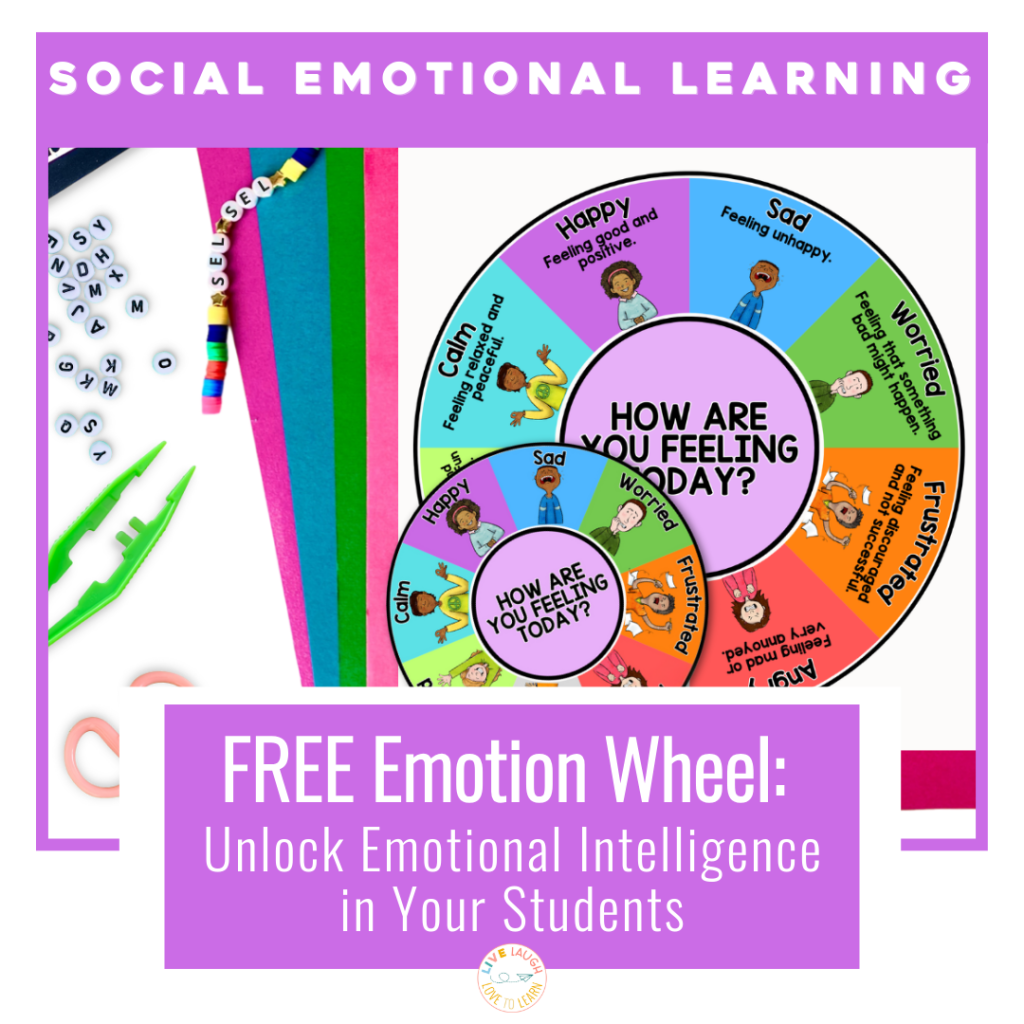
Helping students identify and express their emotions is a game-changer for managing behavior and creating a positive classroom environment. That’s where an Emotion Wheel comes in. This simple tool can make a big difference in helping students build emotional awareness and self-regulation skills—and the best part? I have a free Emotion Wheel pdf that you can download and use right away!
What is an Emotion Wheel?
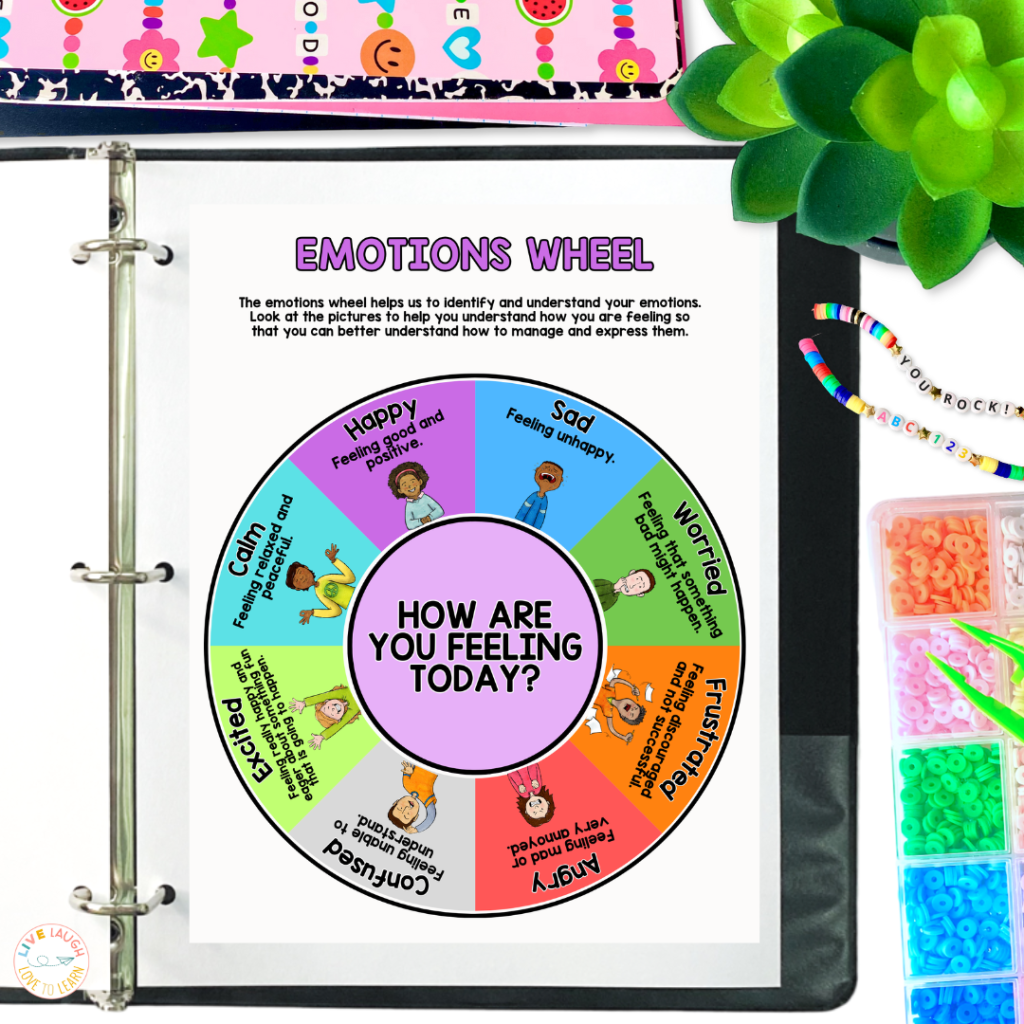
An Emotion Wheel is a visual tool that helps students identify and name their emotions. It organizes emotions into categories, making it easier for kids to pinpoint exactly how they’re feeling. For example, instead of saying they’re simply “mad,” a student might realize they’re actually “frustrated” or “disappointed.” This process not only expands their emotional vocabulary but also helps them better understand and communicate their feelings.
A downloadable Emotion Wheel is an easy way to bring this tool into your classroom. It’s ideal for helping students practice emotional regulation and develop emotional intelligence.
Why Use an Emotion Wheel in the Classroom?
Teaching emotional awareness has ripple effects on learning and behavior. Here’s how a simple wheel can transform your classroom:
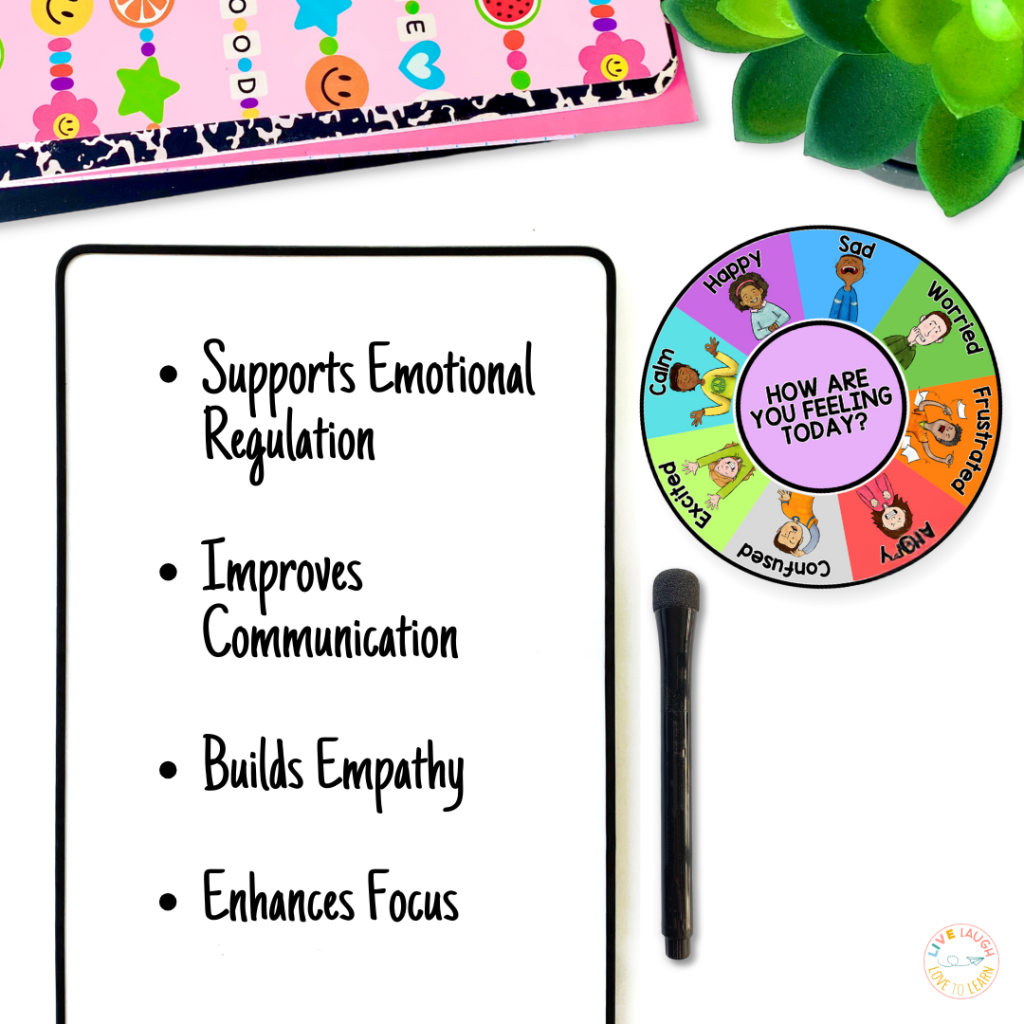
- Supports Emotional Regulation: By identifying their emotions, students can begin to choose appropriate strategies to manage them.
- Improves Communication: When students can name their feelings, they’re more likely to express themselves constructively.
- Builds Empathy: Understanding their own emotions helps students recognize and respect the feelings of others.
- Enhances Focus: Students who manage their emotions effectively are better equipped to concentrate on learning.
How to Use the Emotion Wheel in Your Classroom
Here are some easy ways to incorporate the free wheel into your daily routine:
- Morning Check-Ins: Start the day with a quick check-in where students point to how they’re feeling on the Emotion Wheel. This sets the tone for the day and gives you insight into your students’ emotional states.
- Calm Down Corner: Place the wheel in your calm down area. Encourage students to use it as a first step in identifying their emotions before selecting a strategy to regulate. This feelings wheel download is perfect for supporting emotional regulation in this space.
- Class Discussions: Use the wheel during group discussions or read-alouds to help students connect with characters’ emotions or reflect on their own feelings.
- Conflict Resolution: When students face disagreements, the Emotion Wheel can help them articulate their feelings and work toward a solution.
- Writing Prompts: Use the Emotion Wheel to inspire journal entries or reflective writing activities. For example, “Choose an emotion from the wheel and describe a time you felt this way.”
How to Get Your Free Emotion Wheel
Ready to try this simple yet powerful tool in your classroom? Click here to download your free Emotion Wheel PDF now.
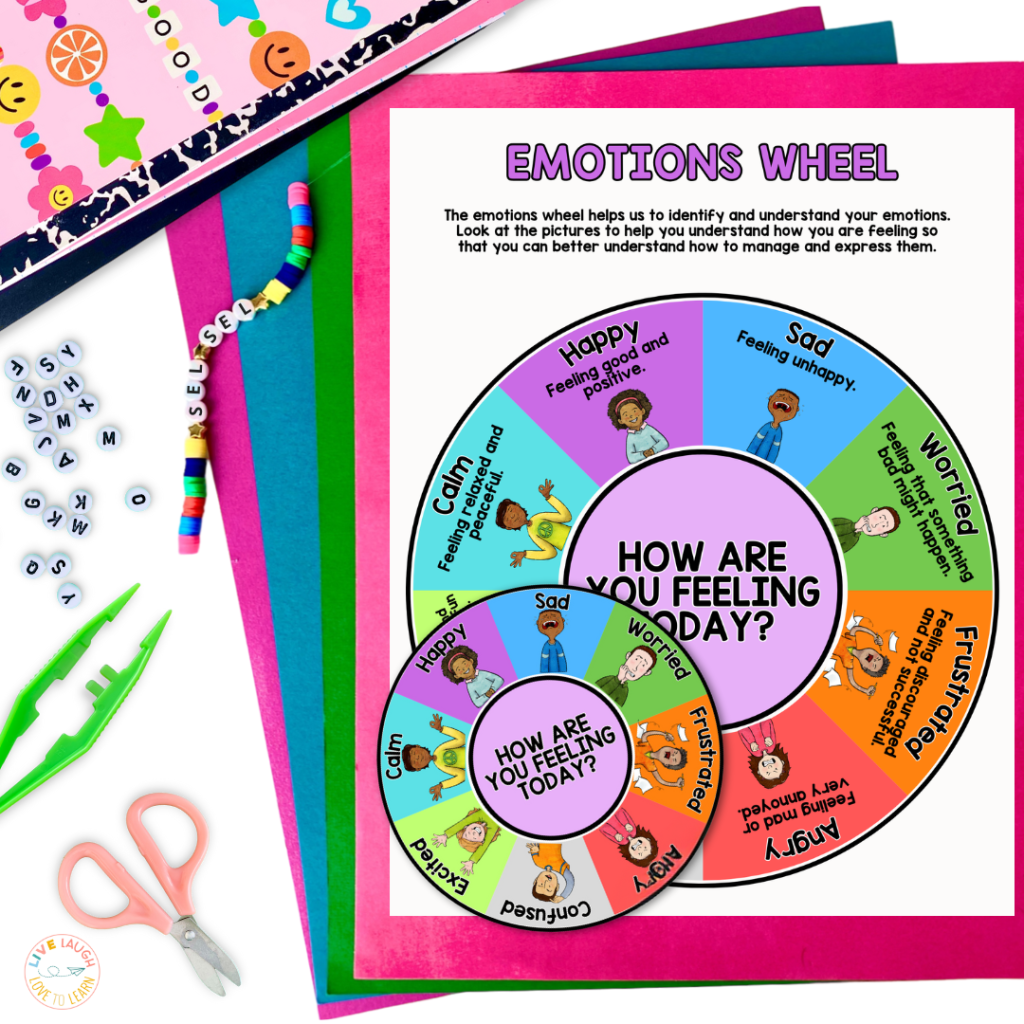
Once you download it, you’ll receive a printable version that’s perfect for your classroom. Consider laminating it for durability, give each student a copy to keep in a journal or at their desk, and displaying it prominently where you and your students can easily reference it.
Beyond the Emotion Wheel
Using an Emotion Wheel is just the beginning. For a more comprehensive approach to supporting emotional regulation in your classroom, check out my post “4 Proven Classroom Management Strategies” to learn how I use a Calm Down Corner Kit in my classroom. It’s designed to help teachers like you integrate SEL strategies for teachers seamlessly into your day.
Start today with this free resource and see the difference it makes for your students. Helping them name their feelings is the first step in teaching them how to manage them—and that’s a life skill they’ll carry forever.