
How to Make Emotional Regulation Easier with the Emotion Wheel (and a free Feelings Checklist!)
Have you ever had a student completely shut down over something that seemed tiny? Or maybe one who went from zero to full meltdown in seconds? It’s not that they’re being difficult—many kids just don’t have the words (or the skills) to manage big emotions yet.
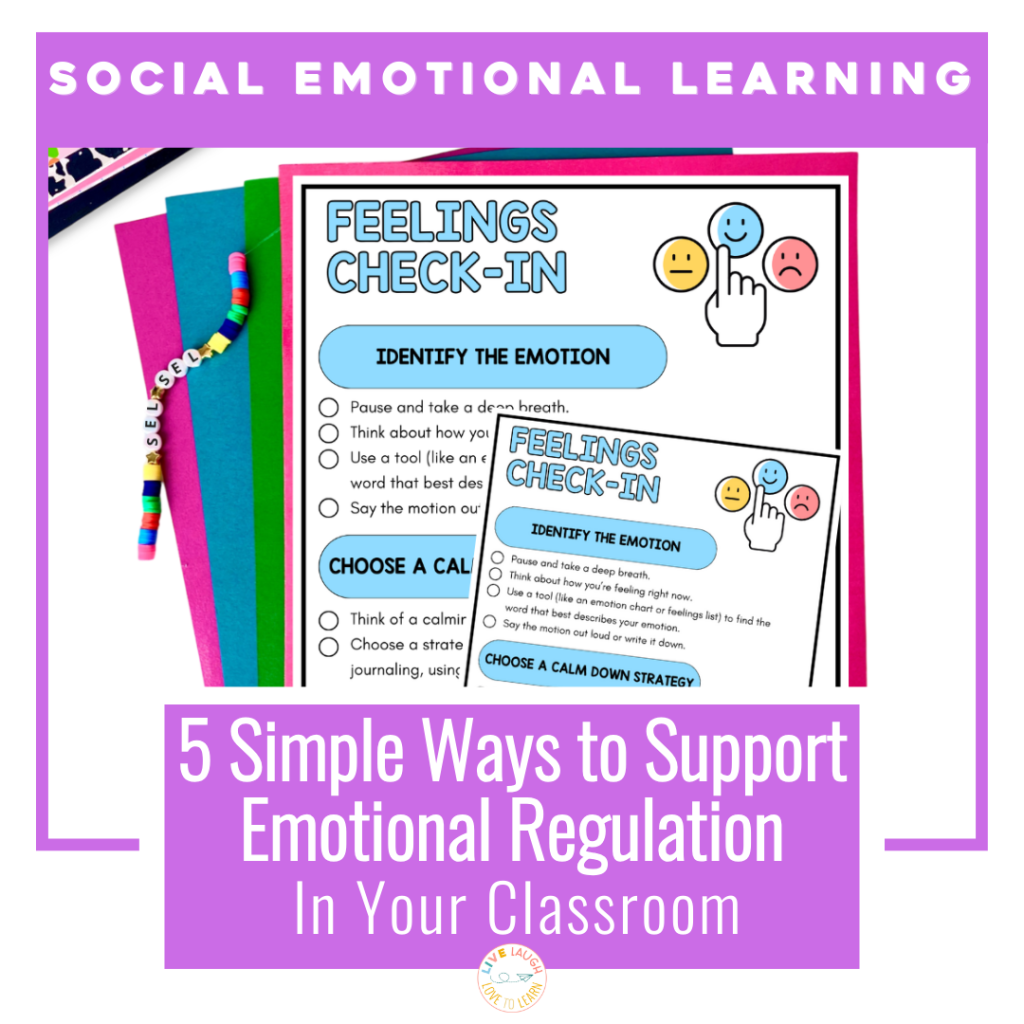
That’s where emotional regulation strategies come in! When students learn how to identify and manage their emotions, they gain the tools to navigate challenges, stay focused, and feel more in control.
Table of Contents
One of my favorite simple, effective tools for building emotional awareness? The Emotion Wheel! And when you combine it with a Calm Down Corner, you create a go-to space where students can self-regulate, reset, and return to learning with a clear mind.
Not sure where to start? Here are five simple ways to integrate emotional regulation into your classroom using the Emotion Wheel.
1️⃣ Teach Students to Identify Their Emotions
Many students experience frustration simply because they don’t have the words to describe how they feel. They might say, “I feel bad,” when what they really mean is overwhelmed, frustrated, or embarrassed.
That’s where the Emotion Wheel helps!
✅ It makes feelings visible. Students can see a range of emotions and pinpoint exactly how they feel.
✅ It connects emotions to coping strategies. Once they name their feeling, they can choose a strategy that helps.
✅ It normalizes talking about emotions. When emotions are easy to identify, they become easier to discuss.
✅ It builds self-awareness and problem-solving skills. Knowing how you feel = knowing what you need.
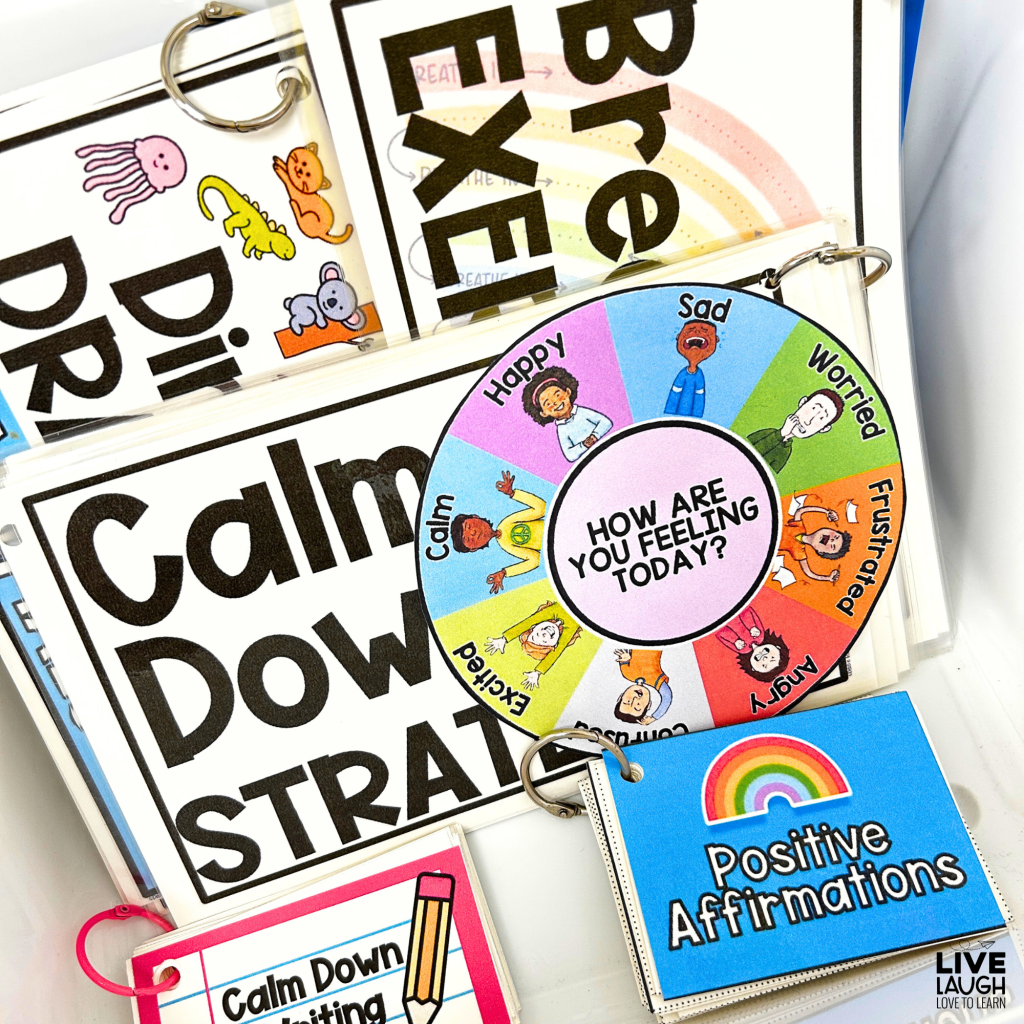
When students can accurately name their emotions, they’re more likely to find a way to regulate them in a healthy and productive manner. This is why the Emotion Wheel is such a valuable tool in social-emotional learning (SEL)—it bridges the gap between feeling something and knowing how to handle it.
✨ Try This: Introduce the Emotion Wheel during morning meetings or SEL lessons so students can practice naming their emotions before they actually need it.
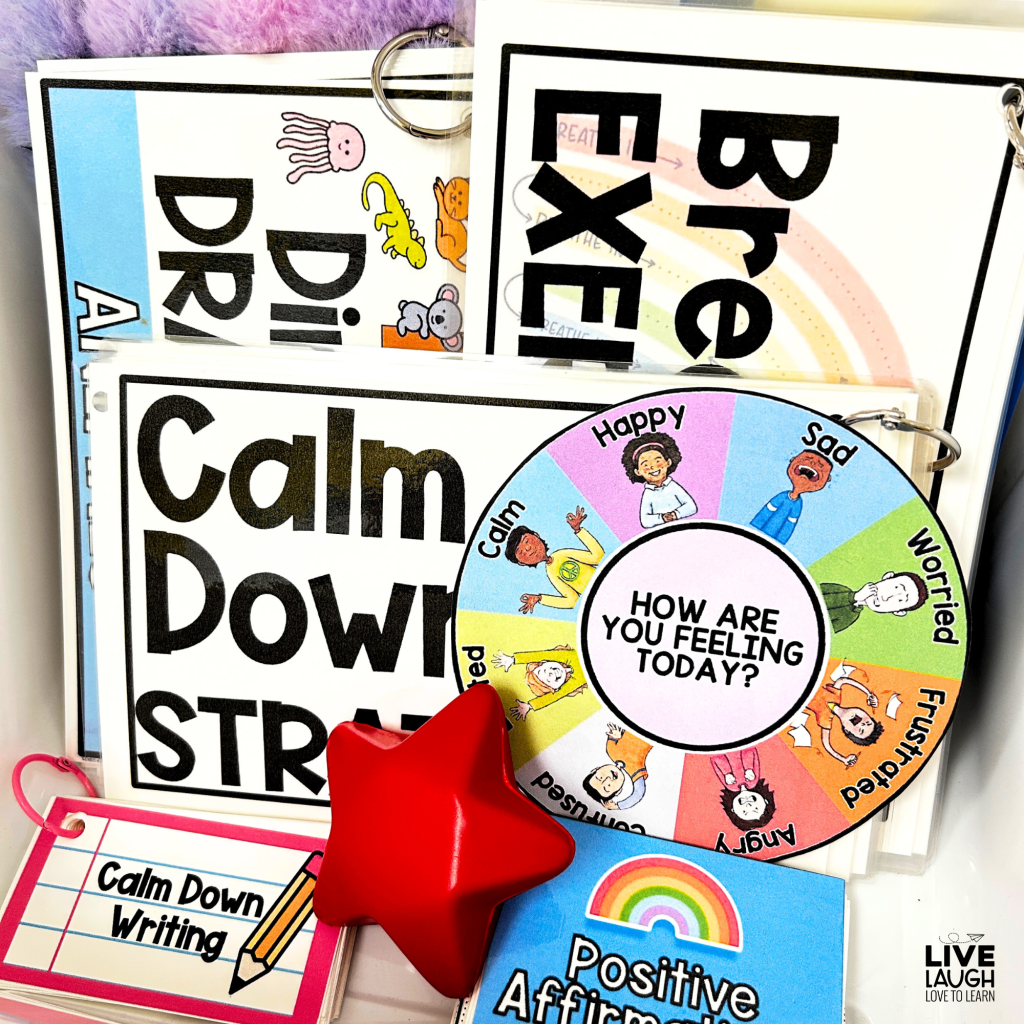
2️⃣ Set Up a Calm Down Corner with the Emotion Wheel
A Calm Down Corner is a designated space where students can regulate their emotions before returning to class activities. Adding an Emotion Wheel printable helps guide students through the process of self-regulation.
Here’s how it works:
✅ Identify the Emotion – Students use the Emotion Wheel to pinpoint what they’re feeling.
✅ Choose a Strategy – Provide a menu of calming tools like deep breathing visuals, fidget items, or reflection sheets.
✅ Practice Self-Regulation – Give students time to use their chosen strategy and reset.
✅ Reflect on Emotions – Encourage students to check in with themselves: Did this strategy help? What could I try next time?
✨ Try This: Print mini Emotion Wheels for students to keep in their desks so they always have access to this tool!
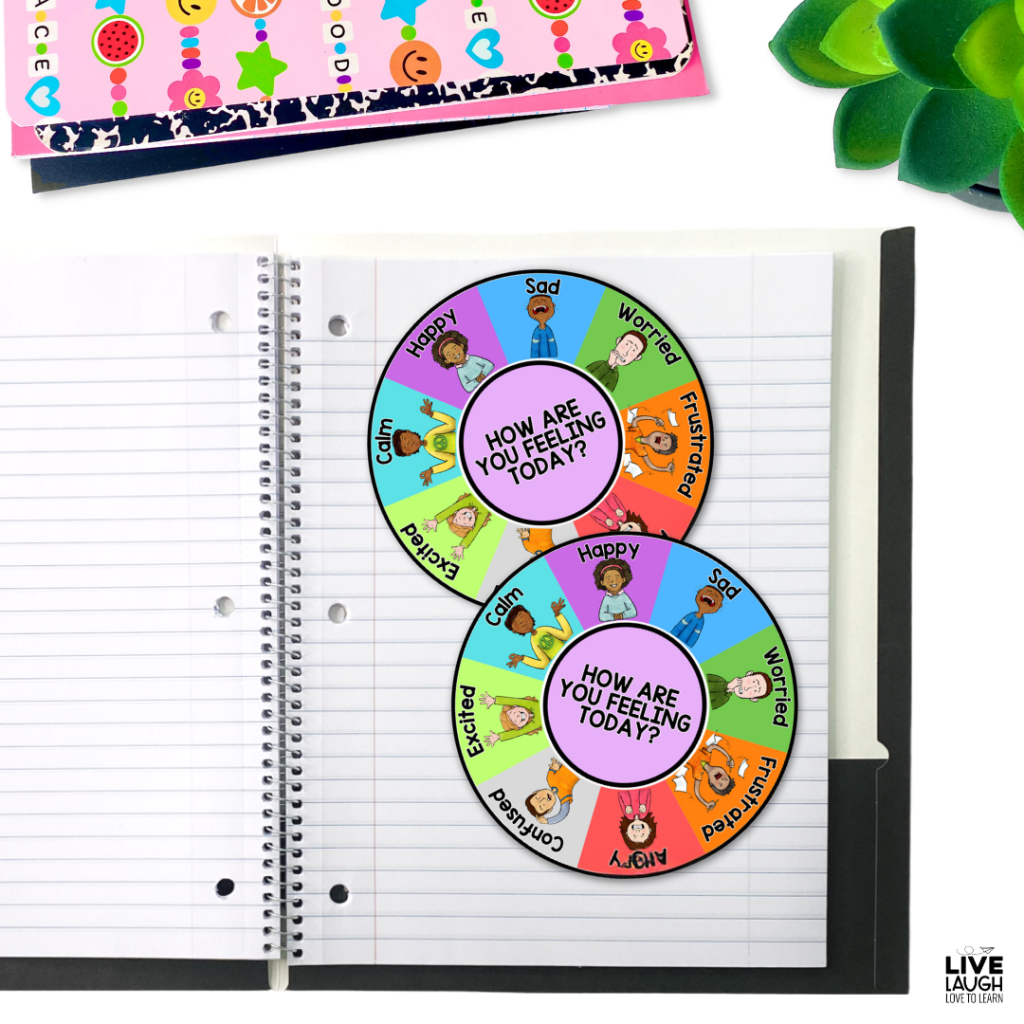
Some teachers even send home a mini version for parents to use with their children at home. This helps reinforce emotional regulation strategies across different environments, making it even more effective.
3️⃣ Model Emotional Regulation Strategies
Students learn by watching you! If they see you using self-regulation techniques, they’ll be more likely to use them, too.
Here are a few ways to model emotional regulation in the classroom:
✅ Name your emotions out loud – “I’m feeling a little frustrated because my computer isn’t working. I’m going to take a deep breath and try again.”
✅ Demonstrate calming techniques – Use breathing exercises, journaling/writing, or positive self-talk when you need to reset. ➡️Try these 5 Mindfulness Activities for Kids with your students.
✅ Talk through problem-solving – “I’m feeling overwhelmed with all these tasks. I think I’ll make a checklist to help me feel more organized.”
✨ Try This: Make a class anchor chart of different self-regulation strategies that students can refer to when they need help managing emotions.
4️⃣ Encourage Students to Track Their Emotions
Helping students reflect on their emotions over time can boost their emotional awareness and self-regulation skills.
✅ Use daily check-ins where students point to how they’re feeling on a classroom Emotion Wheel.
✅ Provide simple emotion journals or checklists where students track what helped them regulate and what didn’t.
✅ Offer a private way for students to communicate their feelings, like an emotion check-in box where they can drop a note if they need support.
✨ Try This: During morning meeting or end-of-day reflection, ask students, What’s one emotion you felt today, and how did you handle it?
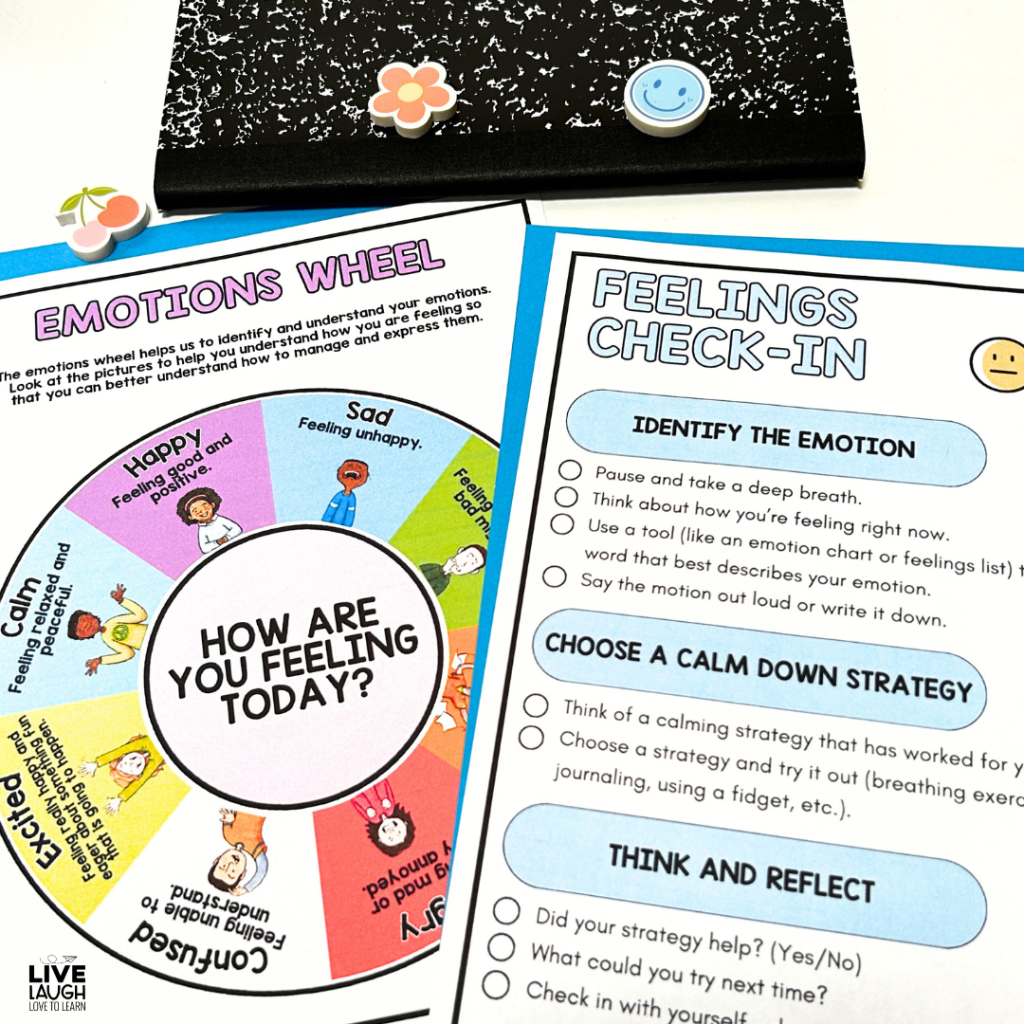
5️⃣ Give Students a Free Emotional Regulation Checklist
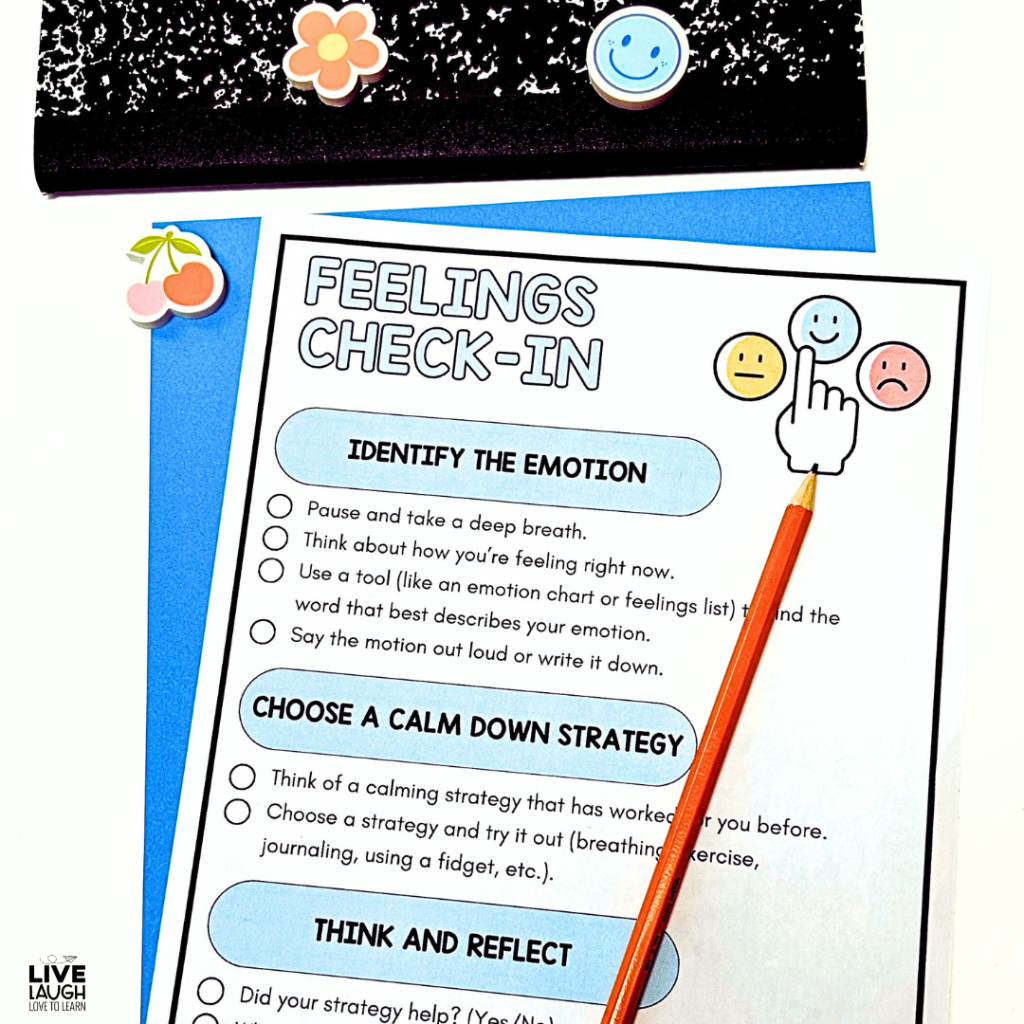
To make all of this even easier, I’ve created a free Emotional Regulation Checklist that helps students:
✅ Name their feelings with the Emotion Wheel
✅ Pick a calming strategy that works for them
✅ Reflect on what helped (or didn’t!)
📥 Click here to grab your free checklist!
Final Thoughts
Helping students manage their emotions doesn’t have to be overwhelming. By using these five simple strategies, you can empower students with tools they need to self-regulate, build emotional awareness, and develop lifelong SEL skills.
Have you used an Emotion Wheel in your classroom? Drop a comment and let me know how it’s working for you—I’d love to hear your experiences! 💛

Want a ready-to-go Calm Down Corner setup? Grab my Calm Down Corner Kit on TPT for everything you need!