
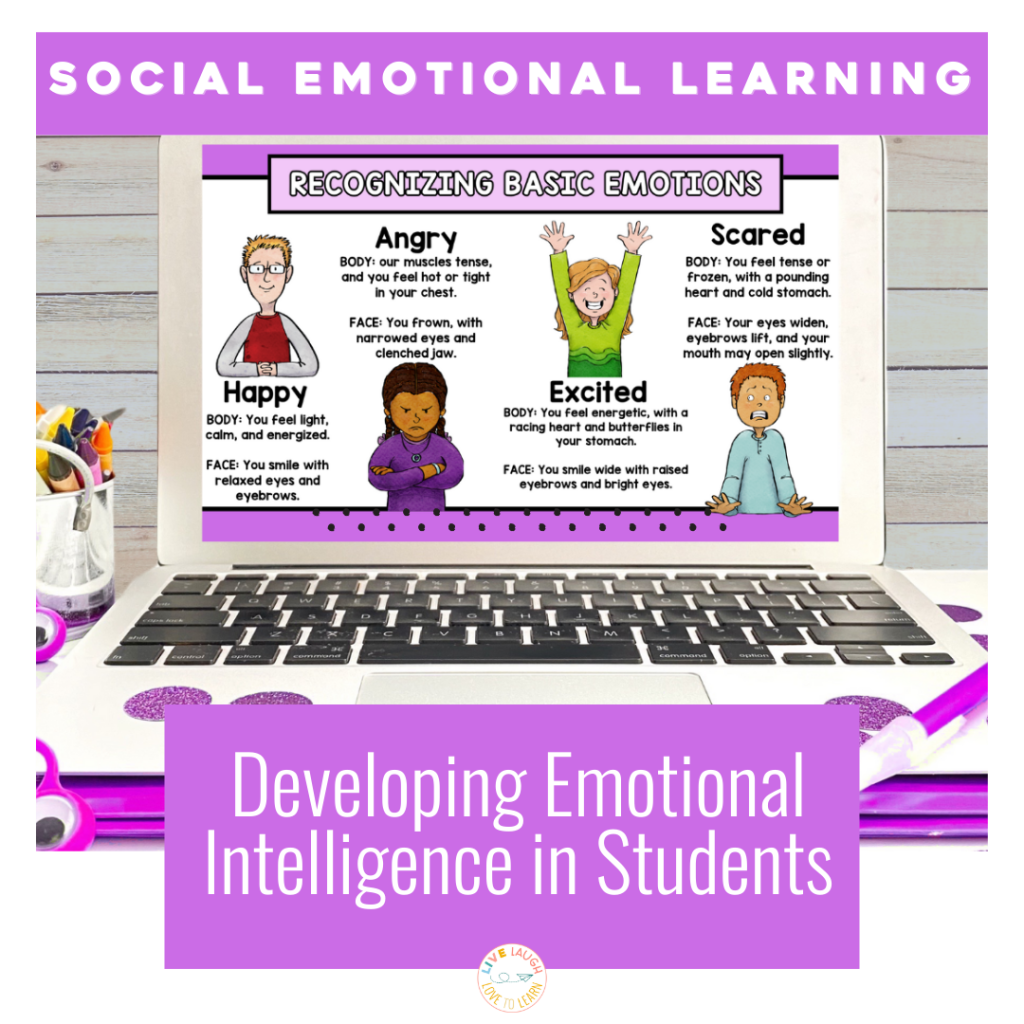
Your classroom is buzzing with energy, and then it happens – a student becomes frustrated, another feels left out, and the mood of the entire room starts to shift.
These moments can feel overwhelming, but they’re also opportunities.
When students learn to understand and manage their emotions, it transforms not only their behavior but their ability to thrive in the classroom.
Developing emotional intelligence isn’t just about reducing disruptions or managing behavior.
It’s about giving students tools they’ll carry with them for life.
Looking for a resource to help you do this in the classroom?
This article is packed with actionable tips to help you teach students about emotional intelligence.
Table of Contents
Why Emotional Intelligence Matters in the Classroom
Emotional intelligence isn’t just a buzzword; it’s one of the most important skills students can develop, especially in the classroom.
When kids learn to manage their emotions, understand how others feel, and handle challenges calmly, the entire learning environment changes for the better.
Helping Students Focus and Succeed Academically
Students who know how to manage their emotions are better able to concentrate on their schoolwork.
They can handle setbacks, like struggling with a tough math problem, without giving up or becoming overwhelmed.
Studies show that emotional intelligence is closely tied to academic success, as it helps students stay motivated and work through challenges with confidence.
Fostering Friendships and Social Skills
Classrooms are just as much about relationships as they are about academics.
When students understand their own feelings and show empathy toward others, they’re able to build stronger friendships and work better in groups.
Teaching emotional intelligence helps create a classroom culture where students respect one another, listen more, and resolve conflicts calmly instead of turning them into big problems.
Reducing Classroom Disruptions
When students don’t have the tools to manage their emotions, it can lead to disruptive behaviors that affect everyone.
Emotional intelligence gives them the skills to pause, take a breath, and make better choices instead of acting out.
This doesn’t just make life easier for the teacher; it also helps students feel more in control and proud of their decisions.
Preparing Students for the Future
The emotional skills students learn in elementary school can stay with them for a lifetime.
By teaching kids how to manage their emotions, set goals, and show empathy, we’re giving them tools they’ll use as adults to build strong relationships and succeed in their personal and professional lives.
Need a free lesson plan to help you develop emotional intelligence in students?
➡️ Click here to get a free one on feelings and emotions for 4th and 5th grade students. ⬅️
Core Components of Emotional Intelligence
Emotional intelligence is made up of key skills that help students understand themselves and connect with others.
By breaking it down into five main components, you can make it easier for students to build these skills step by step.
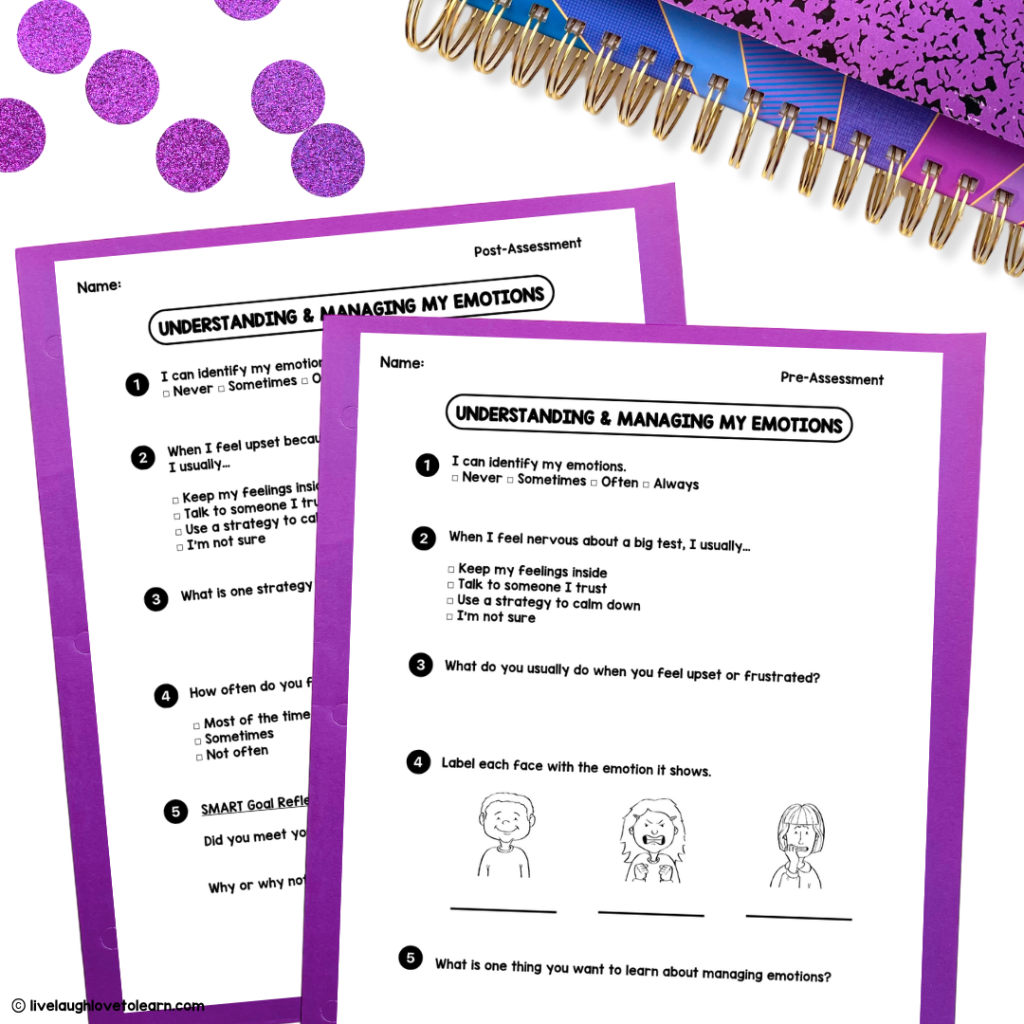
Let’s take a closer look at each one and why it matters in the classroom.
- Self-Awareness
Self-awareness is the foundation of emotional intelligence.
It’s all about students recognizing their own feelings, understanding what causes them, and knowing how those emotions affect their behavior.
For example, a student who realizes they’re feeling frustrated after struggling with a math problem can take steps to manage that frustration instead of giving up.
When students struggle to regulate big feelings, it often shows up as stress or anxiety in the classroom. Here are some practical strategies teachers can use to help students manage stress and anxiety at school.
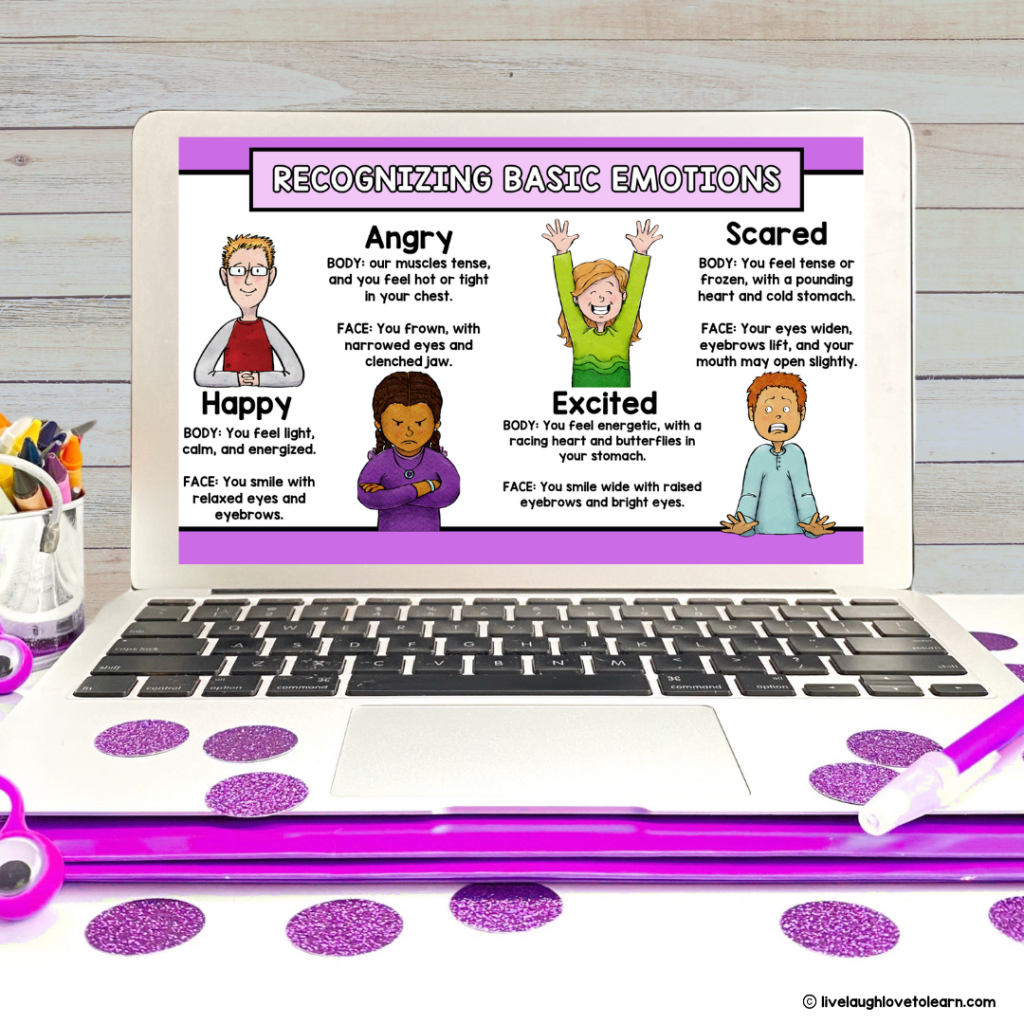
Activities like journaling or using emotion charts are great ways to help students reflect on and name their feelings.
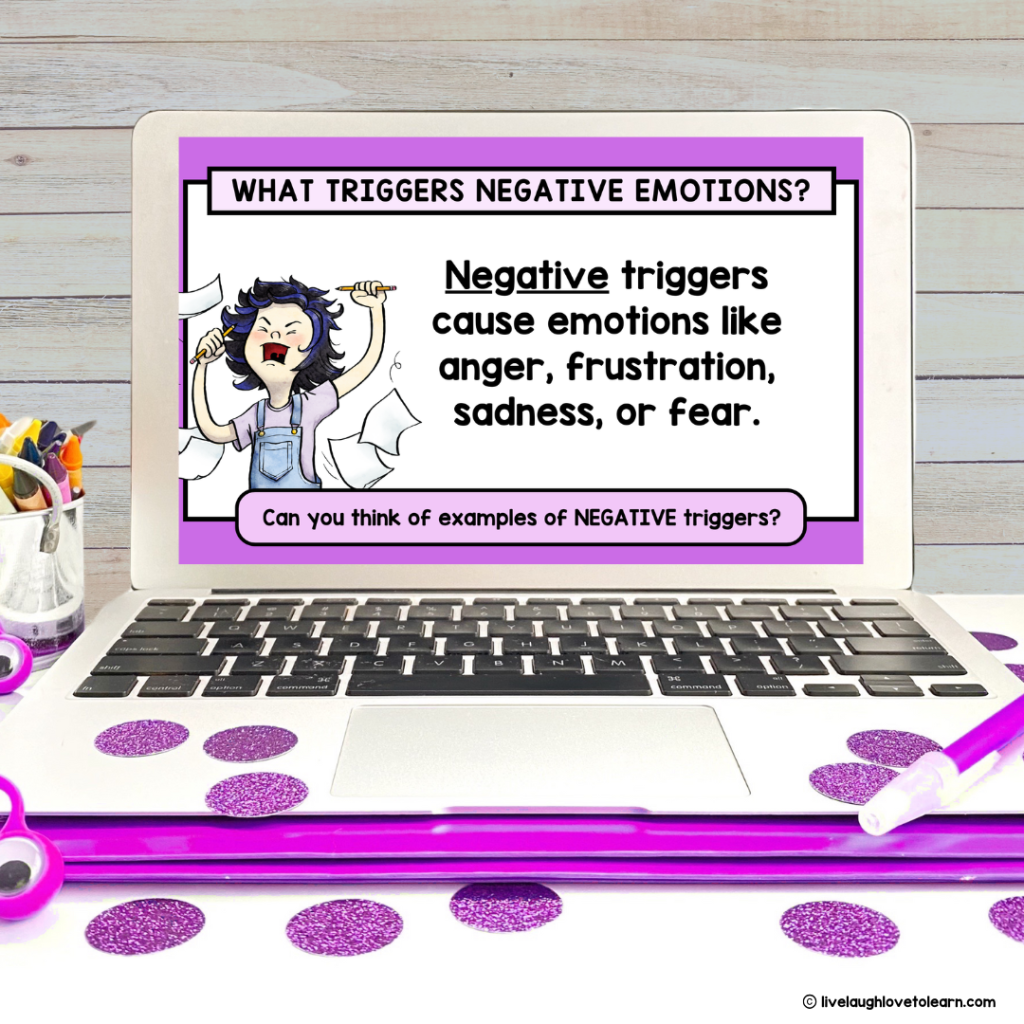
- Self-Regulation
Once students are aware of their emotions, the next step is learning how to manage them. Self-regulation means being able to pause, take a breath, and choose a response instead of reacting impulsively.
This skill is especially important for staying calm during conflicts or handling stressful situations like a big test.
Teaching strategies like deep breathing, mindfulness, or using calming tools helps students feel more in control when emotions run high.
- Motivation
Motivation is the ability to use emotions to stay focused on goals and push through challenges. Students with strong emotional intelligence understand how to turn frustration into determination.
For example, if a group project doesn’t go as planned, a motivated student will keep trying to improve rather than giving up.
Setting small, achievable goals and celebrating progress can help students see how their efforts pay off, keeping them motivated to succeed.
- Empathy
Empathy is the ability to understand and share the feelings of others.
This is what helps students connect with their classmates, show kindness, and build strong relationships.
Empathy can be encouraged by teaching students to listen actively and consider how others might feel in different situations.
Role-playing activities or read-alouds with characters facing challenges can make empathy feel real and relatable.
- Social Skills
Strong social skills allow students to communicate effectively, work well in groups, and resolve conflicts peacefully.
These skills build a sense of teamwork in the classroom and prepare students for success in their future relationships and careers.
You can foster social skills by encouraging group projects, teaching respectful communication, and modeling how to handle disagreements constructively.
Need a resource that helps your students think and work through all of these components?
I created a comprehensive, 4-week unit that you’ll absolutely love.
➡️ Click here to learn more about my managing emotions SEL unit
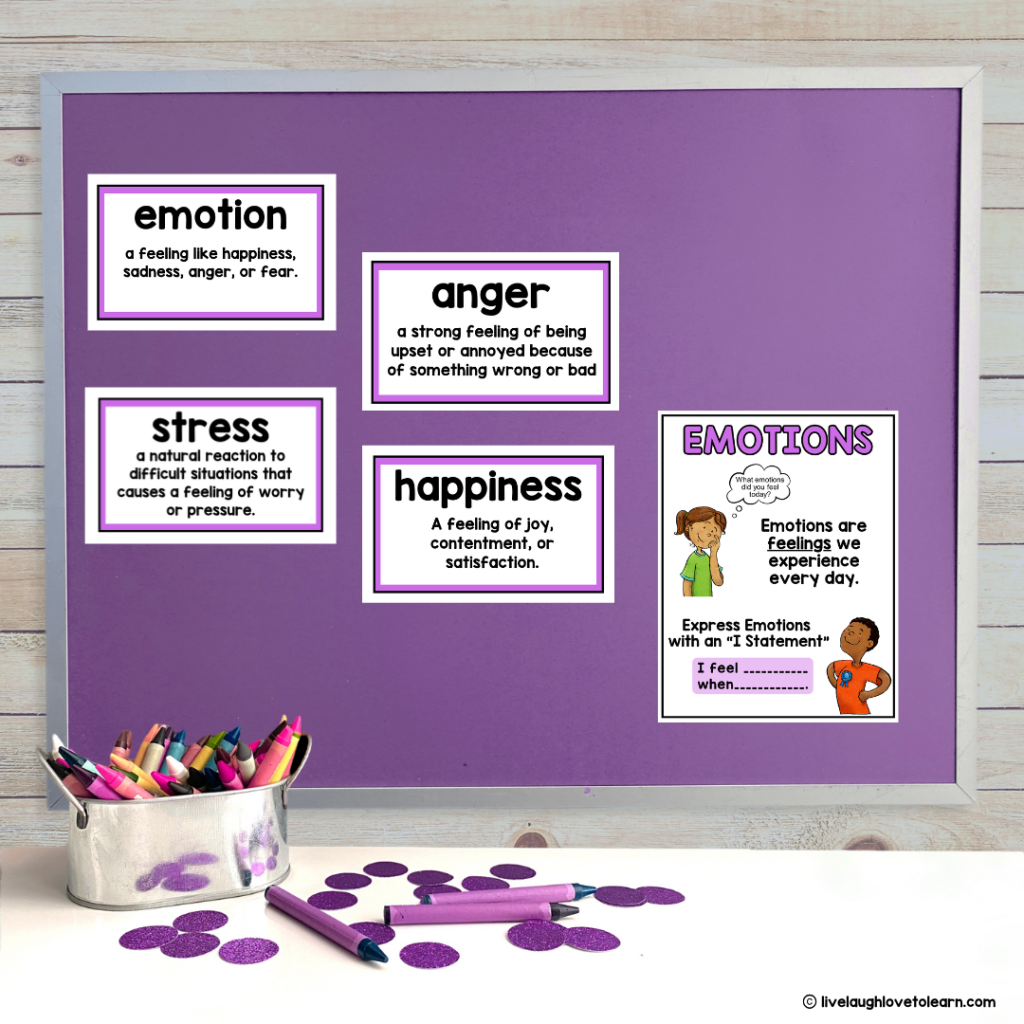
Strategies for Developing Emotional Intelligence in Students
Now, let’s talk about practical, actionable strategies you can use in your classroom as early as next week!
- Teach Students to Identify and Name Their Emotions
Before students can manage their emotions, they need to recognize and name what they’re feeling.
Tools like emotion charts, feeling cards, or journaling can help students practice this skill.
For example, during a morning check-in, you could ask students to point to or write down the emotion that best matches how they feel.
This simple habit builds self-awareness and creates opportunities for meaningful conversations.
Tip for Teachers: Model emotional identification by sharing your own feelings. For example, “I’m feeling excited about our project today because I know it’s going to be fun to work together.”
- Incorporate Mindfulness into Your Routine
Mindfulness helps students stay present and calm, even when emotions are running high. Simple practices like deep breathing, guided meditations, or mindful observations can make a big difference.
Start with a quick “Mindfulness Minute” each day, where students focus on their breathing or notice their surroundings without judgment. ➡️Check out 5 Mindfulness Activities for Kids
Activity Idea: Teach students a breathing exercise like “square breathing” (inhale for 4 counts, hold for 4 counts, exhale for 4 counts, hold for 4 counts). Have them trace a square in the air as they practice.
- Model Emotional Intelligence as a Teacher
Students learn a lot by watching how you handle your own emotions.
If you stay calm during stressful moments or show empathy toward their struggles, they’re more likely to mirror those behaviors.
When conflicts arise in class, talk through how you’re feeling and explain the strategies you’re using to manage those emotions.
Example: “I’m feeling a little frustrated because we’re running out of time for this activity, but I’m going to take a deep breath and focus on what we can finish today.”
- Use Active Listening to Foster Empathy
Teaching students to listen and validate others’ feelings is key to building empathy and social skills.
During class discussions or group work, encourage students to paraphrase what they heard before responding.
Activity Idea: Role-play different scenarios where students practice listening to a classmate’s feelings and responding empathetically. For example, “I hear that you’re upset because your friend didn’t share the game. That must have felt frustrating.”
- Provide Tools for Emotional Regulation
Sometimes, students need tangible tools to help them calm down and manage their feelings. Create a calm-down corner in your classroom with sensory items, breathing cards, and positive affirmation posters.
Allow students to use the space when they feel overwhelmed and need a moment to reset.
Activity Idea: Have students design their own mini “calm-down kits” to keep at their desks, filled with tools like stress balls, calming visuals, or a small journal.
- Teach Conflict Resolution Skills
Conflicts are inevitable in any classroom, but teaching students how to handle them constructively can make all the difference.
Walk students through the steps of resolving a disagreement: identify the problem, share feelings respectfully, and work together to find a solution.
Activity Idea: Create a classroom “peace table” where students can go to resolve conflicts. Provide prompts or scripts like, “I feel ___ because ___” to guide their conversations.
- Celebrate Success and Growth
When students demonstrate emotional intelligence, recognize and celebrate it.
This reinforces positive behaviors and motivates students to continue practicing these skills.
You might give out “kindness awards” or simply share words of encouragement when you see students making an effort.
Tip for Teachers: Use a class journal to document moments when students show empathy, self-regulation, or teamwork. Consider sharing these highlights during end-of-week celebrations.
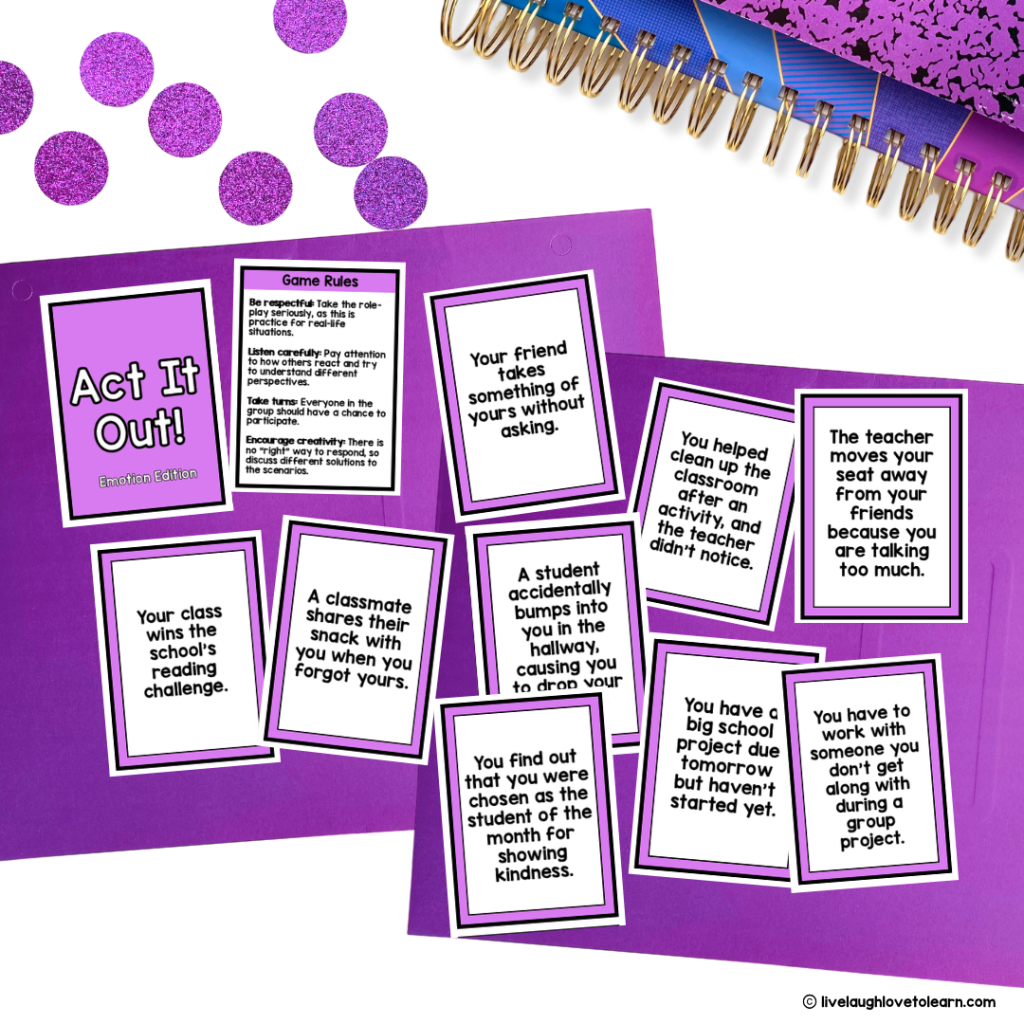
Integrating Emotional Intelligence Into the Classroom
Integrating emotional intelligence doesn’t require major changes to your schedule.
With a little creativity, you can build these skills into your everyday teaching.
Here are some fresh strategies to incorporate emotional intelligence into your classroom:
1. Use Music to Set Emotional Tones
Music can be a powerful tool to help students connect with and regulate their emotions. Play calming music during transitions or quiet work times to create a peaceful atmosphere. For reflective activities, choose songs that evoke specific emotions and ask students to identify how the music makes them feel.
Activity Idea: Create an “emotion playlist” with different types of songs. Students can pick a song to match their current mood or use music as a calming strategy.
2. Introduce Peer Mentorship for SEL Skills
Pair students together to practice emotional intelligence in real time. A peer mentor program encourages older or more experienced students to help younger classmates with tasks like handling conflicts, expressing emotions, or using calming strategies.
Example: Assign “emotion buddies” who check in with each other once a week, discussing their feelings or supporting each other with classroom challenges.
3. Create a Gratitude Wall
Gratitude is an underrated component of emotional intelligence. Dedicate a space in your classroom where students can write or draw things they’re grateful for. This practice helps shift focus to positive emotions and promotes a sense of community.
Tip for Teachers: Start each week by adding your own gratitude note to the wall to model the behavior.
4. Use Art to Explore Emotions
Art provides a non-verbal outlet for students to express and understand their feelings. Provide opportunities for students to create emotion-themed artwork, such as painting their “happy place” or drawing what frustration looks like to them.
Activity Idea: Host an “emotions gallery” where students display their artwork and share the emotions behind it.
5. Assign Leadership Roles That Promote SEL
Give students specific roles that encourage them to practice emotional intelligence, like a “kindness captain” who watches for and celebrates acts of kindness, or a “mindfulness monitor” who leads the class in a calming activity.
Example: Rotate these roles weekly to ensure all students have a chance to develop and demonstrate SEL skills.
6. Incorporate Storytelling and Personal Narratives
Storytelling allows students to reflect on their experiences and build empathy for others. Create a safe space for students to share personal stories about moments when they felt strong emotions and how they managed them.
Activity Idea: Start a “Feelings Friday” tradition where students can share a moment from the week that made them feel proud, happy, or challenged.
7. Use Games to Teach Emotional Regulation
Games are a fun and engaging way to practice SEL skills. Try incorporating role-play games, emotion charades, or problem-solving challenges where students must work together to handle an emotionally charged situation.
Activity Idea: Create a “regulation relay,” where students move through stations that focus on different emotional regulation strategies, such as deep breathing, positive affirmations, or sensory activities.
8. Set Up Emotion-Based Stations
Design classroom stations that focus on different aspects of emotional intelligence, such as self-awareness, empathy, and self-regulation. Rotate students through these stations as part of your weekly routine.
Example Stations:
- Reflection Station: Students journal about their emotions.
- Empathy Station: Students watch short videos or read stories about characters experiencing challenges and discuss their feelings.
- Calm-Down Station: Students use sensory tools or practice mindfulness.
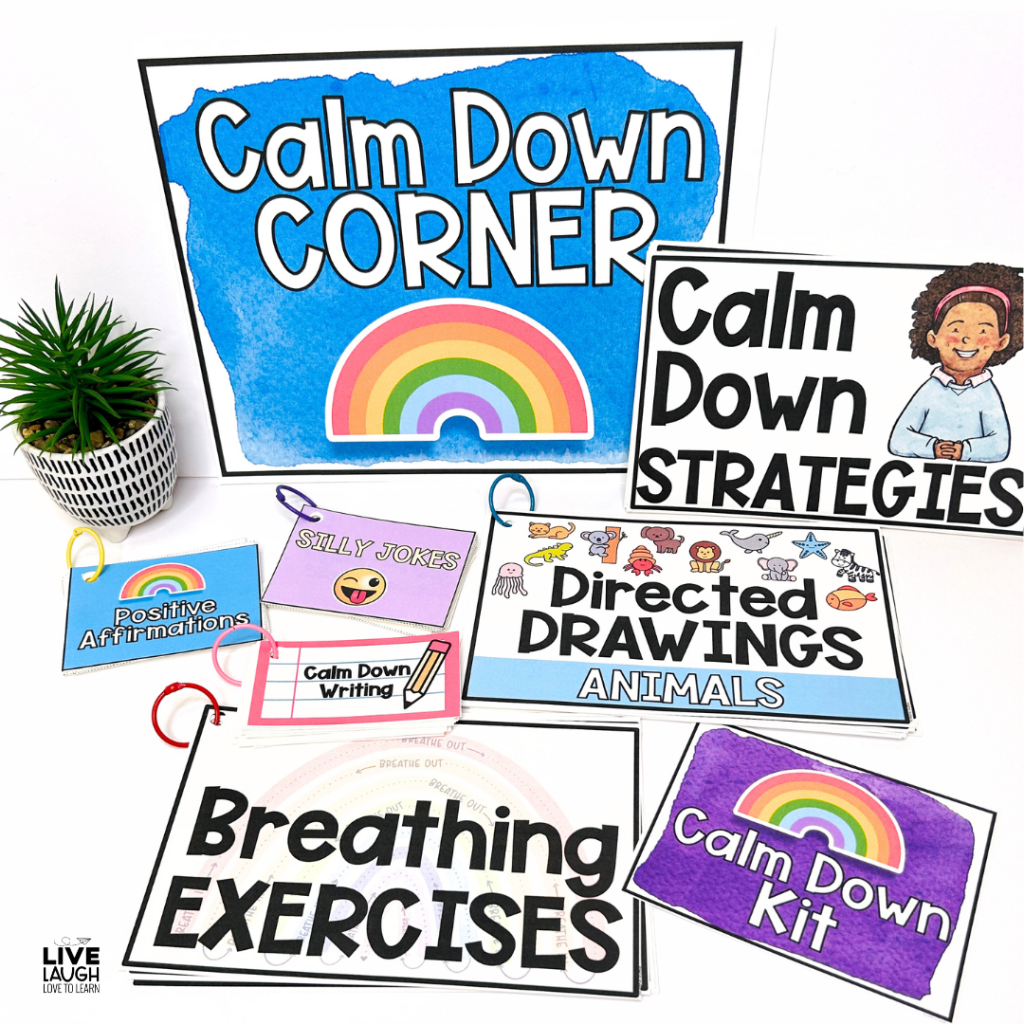
Even when you know what you want to do with your class, it can take a lot of time, energy and effort to put it all together.
That’s why I created Managing Emotions SEL Unit: A 4-Week Curriculum for 4th & 5th Grade Students.
➡️ Click here to learn more about my managing emotions SEL unit
Developing Emotional Intelligence Takes Time and Intention
Helping your students develop emotional intelligence is one of the most rewarding parts of teaching.
By giving them the tools to understand and manage their emotions, you’re setting them up for success not just in the classroom, but in life.
And the good news is, you don’t have to figure it all out on your own.
My Managing Emotions SEL Unit was created to make teaching these skills easy, effective, and engaging. It’s packed with simple, ready-to-use lessons and activities that will fit right into your busy day.
If you’re looking for even more ideas and inspiration, be sure to check out “The Best Calm Down Corner Strategies for Your Classroom” and follow my store on TeachersPayTeachers for new resources to support your teaching journey.
You’re already doing amazing things for your students.
This is just one more way to help them grow!
Thank you for everything you do to make a difference in their lives.

Want more teaching tips on social-emotional learning? Read about setting up a Calm Down Corner space!